Understanding Cement Bricks Composition
Types of Cement Bricks – Different varieties of cement bricks and their properties
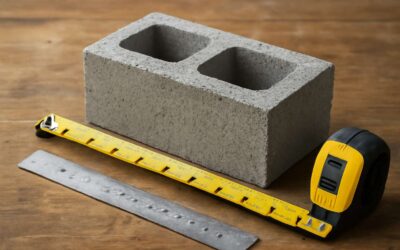
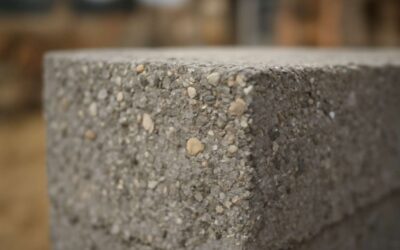
Cement bricks are a staple in South African construction, prized for their durability and cost-effectiveness. But understanding their composition is crucial to achieving the perfect balance for your project. Cement bricks are made by combining cement, sand, and water, with the cement bricks ratio playing a pivotal role in determining strength and stability. The most common mixture features a 1:4 or 1:6 cement to sand ratio, which offers both workability and sufficient structural integrity.
Several types of cement bricks cater to different building needs. For example, standard concrete bricks are ideal for load-bearing walls, while fly ash bricks—known for their environmental benefits—offer high durability with less cement use. Then there are clay bricks, which provide excellent thermal insulation but require specialized firing processes. When selecting the right type, it’s important to consider properties like compressive strength, water absorption, and thermal conductivity, especially in South Africa’s varying climate conditions.
Materials Involved – Overview of cement, sand, gravel, and additives
Within the quiet, almost primal act of building, there lies a delicate dance—a symphony of materials that transform raw elements into enduring structures. The cement bricks ratio is not just a scientific formula; it is the heartbeat of strength, stability, and longevity. Cement, the binding force, offers the backbone of these bricks, while sand acts as the finest aggregate—adding texture and workability. Additives, sometimes subtly integrated, can enhance properties like water resistance or compressive strength.
Understanding the components involved reveals the true artistry behind cement bricks. Typically, the mixture involves cement, sand, and water, but the precise proportions greatly influence the final outcome. Consider these elements:
- Cement: The core binder, responsible for the structural integrity and durability.
- Sand: Provides bulk and helps achieve the desired workability, often used in a 1:4 or 1:6 cement bricks ratio.
- Water: Essential for hydration, but excess can weaken the mixture, making proper water-cement ratio vital.
Gravel or coarse aggregates are sometimes introduced in concrete bricks to increase strength, especially for load-bearing applications. This intersection of materials is where the real power of cement bricks ratio unfolds—an alchemy that determines whether a wall will stand resilient or falter over time. When carefully balanced, these components weave together a silent promise of durability, connecting the science of construction with the human desire for enduring foundations in South Africa’s diverse landscape.
Importance of Proper Ratio – How ratios affect strength, durability, and aesthetic appeal
The art of creating durable, visually appealing cement bricks hinges on one crucial element: the cement bricks ratio. This carefully calculated proportion isn’t merely a set of numbers; it embodies the delicate dance between strength, longevity, and aesthetic finesse. When executed with precision, the right ratio ensures your walls aren’t just functional but resilient against the unpredictable South African climate.
The strength and durability of cement bricks are directly influenced by the cement bricks ratio. A well-balanced mix guarantees that each brick can withstand the test of time, resisting cracking and erosion. Conversely, an improper ratio—whether too much water or insufficient cement—can compromise the structural integrity and lead to costly repairs down the line. For load-bearing constructions, maintaining a consistent ratio becomes even more critical, as it translates to safety and stability over decades.
Choosing the appropriate cement bricks ratio also impacts the visual appeal and workability of the mixture. A ratio that is too wet may produce a smooth finish but at the expense of strength. Alternatively, a drier mix might be harder to work with, risking uneven surfaces and reduced bonding quality. Striking the perfect balance is like weaving a tapestry—each component must support the other for a flawless outcome.
Common Cement Bricks Ratios for Construction
Standard Ratios – Typical cement to sand ratios used in various projects
In the labyrinth of construction, precision is the silent architect of durability. A precise cement bricks ratio isn’t just a number; it’s the backbone of stability that withstands the test of time. Industry standards often suggest a typical cement to sand ratio of 1:4 for general masonry work, creating a balance between strength and workability. For more demanding structural elements, such as load-bearing walls, the ratio might shift slightly to 1:3, heightening resilience without sacrificing ease of handling.
The choice of cement bricks ratio directly influences the integrity of the structure, impacting longevity and aesthetic appeal. In South Africa’s diverse climate, where the elements challenge every surface, getting the ratio right becomes a moral duty—an act of building trust into every brick laid. When contemplating projects, always remember: the subtlety of your cement bricks ratio can either bolster your masterpiece or undermine its legacy.
Ratio Adjustments for Strength – How and when to modify ratios for enhanced strength
In the intricate dance of construction, the cement bricks ratio often acts as the unsung hero—quietly defining the resilience of a structure. When strength becomes paramount, modifying the standard cement bricks ratio can transform the ordinary into the extraordinary. For example, increasing the cement content to a ratio of 1:2 or 1:3 enhances load-bearing capacity, making it ideal for structural walls or foundations. This deliberate adjustment ensures longevity and robustness against South Africa’s dynamic climate conditions.
However, elevating the cement proportions requires careful consideration. Too much cement can impair workability and increase costs, while too little may compromise stability. To strike a balance, seasoned builders often employ
- trial mixes
- demonstration samples
to fine-tune the cement bricks ratio for specific projects. When strength is the priority, these subtle shifts in the ratio can dramatically bolster a building’s endurance, ensuring that every brick we lay bears the mark of resilience and precision.
Mixing Techniques – Best practices for achieving consistent ratios during mixing
Achieving the perfect cement bricks ratio is akin to mastering a delicate recipe—each component plays a vital role in the final product’s quality. Consistency during mixing is crucial, especially in the South African construction landscape where weather conditions can be unpredictable and influence the setting and strength of bricks. Skilled artisans and seasoned builders often rely on proven techniques to maintain the ideal cement bricks ratio, ensuring every batch meets standard specifications.
One effective method involves using precise measuring tools, which helps prevent deviations in the cement bricks ratio that could compromise durability. For example, adhering to a common cement bricks ratio of 1:4 or 1:6 for general-purpose bricks guarantees ample strength and workability. However, for load-bearing structures, increasing the cement content to ratios such as 1:2 or 1:3 is often recommended to amplify the brick’s load-bearing capacity.
To aid in maintaining consistency, many professionals employ a straightforward approach:
- Preparing a baseline mix based on established cement bricks ratios.
- Creating trial mixes to observe workability and strength.
- Adjusting proportions carefully, ensuring the overall cement bricks ratio remains precise throughout construction projects.
This meticulous process minimizes variability, resulting in uniform, resilient bricks that withstand South Africa’s harsh climates and heavy usage demands. The goal remains clear: achieving a perfect blend that balances strength, durability, and cost-efficiency—all while keeping the cement bricks ratio exactly right.
Ratio Considerations for Different Uses – Cement bricks ratios for walls, paving, and load-bearing structures
Within the sprawling landscapes of South African construction, understanding the ideal cement bricks ratio is akin to unlocking a secret spell that grants resilience and longevity. When selecting ratios for various projects, it’s essential to recognize their influence on strength and durability. For mass walls, a common cement bricks ratio of 1:4 or 1:6 strikes a harmonious balance, providing ample strength while maintaining workability. Conversely, paving bricks demand a slightly different approach, often utilizing ratios like 1:3 or 1:4 to withstand foot traffic and environmental wear.
For load-bearing structures, the cement bricks ratio must be cast in stone—most often a sturdier 1:2 or 1:3 combination. This ensures the brick can bear the weight of the entire edifice, standing robust amidst South Africa’s diverse climate. Gone are the days of guesswork; today, precise ratios rooted in seasoned expertise transform construction into a magical dance of mortar and brick. Seeing a well-quantified cement bricks ratio in action is truly cheering for any builder striving for excellence!
Factors Influencing Cement Bricks Ratio Selection
Project Specifications – Aligning ratios with structural requirements
When designing a construction project, understanding the cement bricks ratio is crucial for achieving the perfect balance between strength, durability, and cost-efficiency. In South Africa, where building standards are continually evolving, selecting the appropriate ratio can mean the difference between a resilient structure and one prone to cracking under pressure. Structural requirements—such as load-bearing capacity or insulation—play a pivotal role in determining this ratio, ensuring that each brick laid fortifies the entire edifice.
Factors like the intended use of the cement bricks, exposure to weather conditions, and the weight they need to bear must all influence the ratio choice. For instance, walls supporting significant loads may require a higher cement content, while decorative or partition walls often suffice with a more modest ratio. To streamline this complex decision-making process, consider the following elements:
- Type of construction (residential, commercial, industrial)
- Environmental conditions (humidity, temperature fluctuations)
- Expected structural load and longevity expectations
- Material quality and strength of available cement and sand
By attentively aligning these project specifications with our knowledge of cement bricks ratio adjustments, builders can ensure their structures meet both safety standards and aesthetic visions—crafted to stand the test of time in the South African landscape!
Environmental Conditions – Adjusting ratios in different climates and conditions
In South Africa’s diverse climate zones, the finesse of cement bricks ratio becomes a delicate dance influenced by environmental realities. Extreme heat, persistent humidity, or chilly evenings subtly shift the demands placed upon construction materials, compelling engineers to adapt their ratios accordingly. The challenge lies in maintaining structural integrity while accommodating weather-induced stresses, a task that demands nuance and precision.
When facing high moisture levels, the cement bricks ratio must sometimes tilt in favor of increased cement content to combat potential deterioration. Conversely, in dry, arid conditions where excessive curing is a risk, a cautious reduction in cement can prevent cracking and warping. This dynamic balance hinges on understanding that environmental factors are not just background elements—they are active agents shaping the choice of ratio. The goal remains resilient, sustainable structures, capable of withstanding South Africa’s climatic canvas with grace and durability.
Type of Cement and Sand – Impact of different materials on ratio decisions
The choice of materials can make or break the durability of cement bricks used in South Africa’s unpredictable climate. Different types of cement and sand influence the cement bricks ratio, directly impacting the final strength and longevity of your construction. For instance, Portland cement offers superb binding strength, encouraging a more robust ratio, while softer sands might require adjustments to prevent compromise in integrity.
Understanding how each ingredient interacts within the cement bricks ratio is crucial. Incorporating high-quality cement necessitates a meticulous balance—too much can lead to cracking under temperature swings, yet too little might spell failure in moisture-heavy environments. Therefore, tailoring this ratio to environmental conditions ensures your structures withstand the test of time. For applications demanding extra load-bearing capacity, an increased cement content might be desirable, reinforcing the essential balance that governs successful masonry.
Cost Considerations – Balancing quality and budget constraints
In the labyrinth of construction choices, balancing cost considerations with quality is often the silent force guiding decisions on the cement bricks ratio. With tight budgets and stringent standards, many builders wrestle with how to maximize durability without breaking the bank. The goal is to strike a harmonious blend—using enough cement to ensure strength but not so much that expenses skyrocket or the mix becomes unnecessarily heavy. This delicate balance can spell the difference between a structure that endures South Africa’s capricious climate and one that crumbles prematurely.
Environmental factors amplify this challenge. In regions prone to temperature swings and high moisture levels, adjusting the cement bricks ratio becomes vital for longevity. While higher cement content boosts load-bearing capacity, it can also lead to cracking if not carefully balanced. Conversely, under-mixed ratios risk compromising structural integrity—something that no budget can afford when building for the future. Ultimately, tailoring the cement bricks ratio to specific project needs and environmental influences ensures resilience, durability, and cost-effectiveness all in one harmonious equation.
Working Time and Setting – How ratios influence curing time and workability
In the realm of construction, understanding the cement bricks ratio isn’t just about mixing ingredients—it’s about the delicate dance between workability and durability. The ratio directly influences the working time and setting of mortar, shaping how a structure comes to life. When the cement bricks ratio skews heavily toward cement, the mix tends to set faster, reducing the window for manipulation but increasing strength and bonding capacity. Conversely, a lower cement content extends workability, giving laborers more time to craft precise joints and alignments.
Adjusting the cement bricks ratio in South Africa’s diverse climate is vital. In humid conditions, a slower setting might be preferable to avoid cracks, while in arid regions, a quicker set ensures the mortar stays intact against temperature fluctuations. A balanced predicate must consider:
- Workability for ease of placement
- Set time to avoid premature hardening
- Long-term durability against environmental stresses
Ultimately, the cement bricks ratio—whether in walls, paving, or load-bearing bases—is more than a mere fraction. It is a testament to the builder’s artistry, climate acumen, and respect for the material’s silent symphony of strength and resilience. In this orchestrated measure, each grain, each particle, aligns to forge a monument that endures beyond fleeting moments, standing resilient against South Africa’s capricious subtleties.
Tips for Achieving the Ideal Cement Bricks Ratio
Accurate Measurement Tools – Using proper tools for mixing proportions
Achieving the perfect cement bricks ratio isn’t just about guesswork; it’s about precision that can make or break your project’s integrity in South Africa’s demanding environments. Using accurate measurement tools ensures that your mixture hits the mark every time, providing durability and strength where it counts. Think of it as an arcane craft—each measurement must be exact enough to tame the raw power of raw materials.
To guarantee consistent results, invest in quality tools like calibrated scales, measuring buckets, and stirring devices designed for cement mixing. When measuring, adhere to strict proportions—whether you’re aiming for a standard 1:4 cement bricks ratio or adjusting for specific structural needs. Remember, even slight variations can alter the setting time and structural integrity. The secret lies in precise measurements—no room for improvisation here! Proper tools and careful calculation are the twin pillars supporting your success in achieving the ideal cement bricks ratio, especially when pouring into South Africa’s unique environmental conditions.
Testing and Adjustments – Methods for verifying strength and quality
Achieving the perfect cement bricks ratio is a delicate dance, where precision elevates functionality to art. In South Africa’s diverse climate, testing and adjustments become vital—what works in the temperate Cape might falter in the arid Karoo. Verifying the strength and quality of your mixture ensures enduring structures that withstand time and weather.
One effective method is to conduct compressive strength tests on sample bricks, measuring their resistance to pressure. This practical approach reveals if the cement bricks ratio was optimal or needs refinement. It’s also wise to monitor curing conditions closely, as environmental factors influence the final strength.
To fine-tune your mixture, consider multiple trial batches, adjusting the ratio incrementally. Documenting each variation helps identify the most resilient composition. Remember, subtle shifts in the cement bricks ratio can significantly impact durability and overall quality—so patience and meticulous testing are your allies in pursuit of excellence.
Common Mistakes to Avoid – pitfalls that can compromise the mix quality
Achieving the perfect cement bricks ratio is more than just an academic exercise; it’s an art form that can determine the longevity and resilience of your structures. One common mistake is overloading the mixture with too much cement, which can lead to cracking and shrinkage. Conversely, too much sand weakens the brick’s integrity, risking early deterioration. The key lies in balancing these materials to meet both aesthetic and structural demands.
Failing to accurately measure components often leads to inconsistent mixes. It’s vital to employ precise measurement tools, such as calibrated buckets or digital scales, to maintain the ideal cement bricks ratio. Additionally, neglecting environmental factors—like humidity and temperature—can adversely affect the curing process and final strength. Patience, meticulous testing, and incremental adjustments forge the pathway to excellence in cement brick manufacturing.
In practice, consider that variations in the cement bricks ratio can have profound impacts on durability and load-bearing capacity. One effective approach involves testing sample bricks through compressive strength tests, then refining your mixture based on these insights. Remember, even subtle shifts in ratios significantly influence longevity, especially within South Africa’s diverse climates. Vigilance and ongoing assessment are your allies in producing resilient, enduring bricks that stand the test of time.
Expert Recommendations – Insights from industry professionals on mixing ratios
Achieving the perfect cement bricks ratio is a meticulous dance, woven with precision and seasoned with industry wisdom. When professionals speak of an ideal mix, they emphasize that it’s not merely about throwing materials together; it’s about understanding the subtle interplay of strength, durability, and aesthetic appeal. A well-balanced cement bricks ratio ensures that each brick maintains its structural integrity, resisting the harshest South African climates and the passage of time.
Expert recommendations highlight that strict measurement discipline is vital. Use calibrated tools—be it a digital scale or meticulously marked buckets—to safeguard consistency. Remember, even minor deviations in the cement bricks ratio can drastically alter the final product’s resilience. For projects demanding high load-bearing capacity, a slightly increased cement content might be necessary, whereas lighter applications may tolerate a leaner mix. Industry professionals often suggest starting with a common ratio such as 1:4 (cement to sand) and adjusting from there based on trial tests and environmental considerations.


0 Comments