Overview of cement-based bricks and their key features
Definition and composition of cement-based bricks
Durability that speaks in quiet, enduring lines—cement bricks shape more than walls; they cradle spaces and stories across South Africa’s towns and townships.
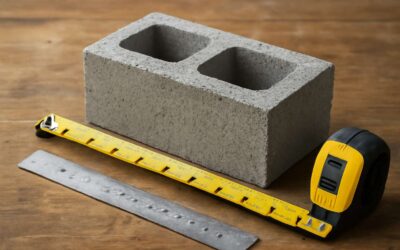
Cement bricks are blocks formed from a cement-based mix—Portland cement, sand, aggregate, and water—sometimes augmented with fly ash or slag to refine texture and strengthen the core.
Key features include:
- Strong compressive strength for reliable load-bearing walls
- Dense microstructure that resists moisture and cracking
- Thermal mass that moderates interior temperatures
- Low maintenance and consistent appearance across climates
In the South African context, these bricks offer climate resilience, cost-effectiveness, and aesthetic flexibility for both modern façades and traditional forms.
Common brick types using cement as binder
In South Africa’s sun-warmed streets, cement bricks stand as patient witnesses to design’s quiet endurance. “Strength you can measure in quiet lines,” a veteran builder once told me, and the walls proved the truth, aging gracefully while telling stories of climate and craft!
Overview and key features illuminate why these blocks anchor both modern façades and traditional forms. They offer strong compressive strength for load-bearing walls, a dense microstructure that resists moisture and cracking, generous thermal mass to steady interior temperatures, and low maintenance with a uniform appearance across climates.
Common brick types using cement as binder:
- Standard bricks: dense and uniform for clean, reliable walls.
- Fly ash bricks: eco-friendly with refined texture and good strength.
- Hollow bricks: lighter weight and enhanced insulation.
- Interlocking bricks: rapid construction with fewer joints.
Across SA, these bricks adapt to climate, affordability, and aesthetic goals, offering versatile choices for contemporary and heritage-inspired builds.
Pros and cons of cement-based bricks
A quiet strength runs through cement bricks, the kind that doesn’t shout but remains, even in SA’s sun-warmed streets. “Strength wears a quiet coat,” a veteran mason once told me, and the walls have proven him right, aging gracefully while telling tales of climate and craft. These blocks invite design to breathe, to play with light and scale, without shouting.
Overview of features and why they endure: cement bricks deliver robust compressive strength for load-bearing walls, a dense microstructure that resists moisture and cracking, and generous thermal mass that steadies interior temperatures. The uniform texture also means low maintenance and predictable aesthetics across the country.
- Pros: Durability, low maintenance, solid thermal mass, and reliable performance in varied SA climates.
- Cons: Heavier to transport, higher upfront cost per unit, and longer curing requirements if not properly managed.
Historical development and current market trends
In South Africa, cement bricks have aged with a patient dignity, the quiet strength that resists the sun without shouting. “Strength wears a quiet coat,” a veteran mason once observed, and the phrase still fits. The evolution from lime-based blocks to modern Portland cement bricks reads like a ledger of durability and design possibilities.
Historical development milestones:
- Early lime-clay and cement-lime hybrids
- Advent of Portland cement bricks in the 20th century
- Rise of hollow and interlocking variants for thermal efficiency
- Incorporation of recycled aggregates and eco-admixtures today
Current market trends in South Africa reflect steady demand for robust, affordable mass walls, with builders prioritising energy performance and local supply chains. Manufacturers emphasise curing discipline and quality control to maintain a uniform texture across varied climates, ensuring that the reputation for reliability travels from Cape Town to Polokwane and beyond!
Cement blocks vs traditional clay bricks
In South Africa, durability lives with a certain quiet swagger. “Strength wears a quiet coat,” a veteran mason likes to say, and cement bricks wear that coat with steady grace. They promise uniform cores, plaster-ready faces, and predictable curing, which matters when the sun tests every day and timelines tighten from Cape Town to Polokwane.
- Uniform density and easy plaster adhesion for cleaner finishes
- High compressive strength and reliable load support
- Fire resistance and solid sound damping for interiors
- Thermal mass with hollow or insulated variants for energy efficiency
Compared with traditional clay bricks, cement blocks offer dimensional stability, easier handling on site, and compatibility with modern insulation strategies. In a market where local supply and curing discipline matter as much as aesthetics, the choice speaks to resilience and pragmatic engineering in SA.
Materials and manufacturing of cement-based bricks
Raw materials and their roles in brick production
Global cement production accounts for about 8% of CO2 emissions, yet cement bricks remain a staple on South African sites. The secret is a careful balance: cement binds, aggregates add strength, water tunes workability, and additives fine-tune durability. Local SA suppliers keep cement bricks aligned with climate and load demands, delivering a dependable masonry solution.
- Cement: the binding energy that makes the brick hold together.
- Aggregates: sand and crushed stone for volume and strength.
- Water: activates hydration and workability.
- Additives: tailor shrinkage, curing, and durability.
In manufacturing, precise mixing, compaction, and curing keep cement bricks consistent across SA jobsites, a quiet triumph of science over weather.
Mix ratios, additives, and curing processes
South Africa’s building sites prove that strength begins long before the first brick is laid; the numbers do the talking. In cement bricks, small changes in mix design ripple into durability, workability, and finish, a quiet algebra performed under the sun on every job. The right proportions give you cohesion and ease—without waste!
- General-purpose mix: cement:sand:aggregate by volume 1:2:4
- Lean structural mix: 1:3:6 for larger blocks and curb formations
- Specialized additive-rich mix: cement:sand:aggregate 1:2:5 with fly ash or silica-based additives to tune shrinkage
Additives such as plasticizers, fly ash, and silica fume fine-tune workability, set time, and long-term durability, while controlled curing—moist or misted conditions over 7 to 14 days—locks in hydration and strength. The result is consistent cement bricks suited to SA climates and loads!
Manufacturing methods: manual molding vs machine production
"If you listen to the wall, you can hear the strength," says a seasoned South African builder, and that listening begins with the right materials and a thoughtful process. Cement bricks are born of sturdy cement, sharp sand, and graded aggregate, tempered with careful additives depending on weather and load. On rural sites and in towns alike, the rhythm of mixing, forming, and at-rest setting shapes durability long before a single block is laid.
Manufacturing methods fall into two broad camps:
- Manual molding uses timber or steel forms; workers pack the mix by hand for small batches and custom shapes.
- Machine production relies on brick presses and vibration to deliver consistent, high-throughput outputs.
Whether you lean manual or mechanised, proper curing and finishing seal the deal in SA climates. The result is a steady supply of cement bricks ready to stand up to sun and rain.
Quality control, testing standards, and certifications
Quality is the quiet force behind every cement bricks wall,” a seasoned South African builder once remarked. In materials and manufacturing, that truth shows up in every block: sturdy cement, sharp sand, and graded aggregate, tempered with weather-smart additives. Around rural sites and urban yards, mix and cure shape resilience long before the first block is laid.
Quality control for cement bricks means rigorous testing at every stage. Essentials keep batches consistent in heat and rain:
- Raw material analysis and sieve data
- Compressive strength testing of cured samples
- Water absorption, density, and dimensional tolerances
- Consistency checks in production batches
These checks guard performance and ensure uniformity across lots.
Quality certifications seal trust in cement bricks. Factory-level systems aligned with ISO 9001 and local SANS marks, plus third-party audits, validate consistency, traceability, and labeling. In a market prone to fluctuating imports and weather, these credentials keep performance steady and predictable.
Sustainability, recyclability, and environmental impact
In South Africa’s building sites, the journey of an ordinary block reveals an extraordinary truth: sustainable hands make durable walls. For cement bricks, the blend matters as much as the shape—local sands, graded aggregates, and smarter additives working in harmony to cut waste and energy. From factory floors to curing yards, efficiency reduces emissions and extends life without compromise.
- Use of locally sourced aggregates
- Recycling of process waste and water
- Low-energy curing and dust control
Sustainability hinges on choices in materials and manufacturing. Recycled aggregates and supplementary cementitious materials lower embodied energy, while efficient mixers and closed-loop water systems save precious resources. Local sourcing shortens transport distances, supporting regional economies and steadier supply chains.
These practices shape the environmental footprint of every block and help South Africa move toward greener construction without sacrificing performance.
Applications and design considerations
Structural use and load-bearing capabilities
In modern South African construction, cement bricks offer durability and warmth that save on energy and time. They suit walls exposed to coastal humidity or inland heat, delivering steady mass and practical, on-site efficiency.
Applications and design considerations go together. For light to mid-rise housing, cement bricks support solid load-bearing walls when laid with proper mortar and, if needed, reinforced cores.
- Residential walls and extensions
- Low-rise commercial and agricultural structures
- Workshops and storage units where quick build time matters
- Paired with plaster or render for weatherproof façades
Design considerations include wall thickness, joint detailing, and moisture control to preserve long-term performance in SA climates. Cement bricks have uniformity that supports plaster adhesion and tidy façades.
Non-structural and decorative applications
Punch up your walls without heavier expenses—”Less plaster, more character,” as a SA architect likes to quip. Non-structural uses of cement bricks bring warmth, texture, and a surprising amount of durability to interior and exterior surfaces.
- Feature walls with color and texture
- Planter boxes or garden screens
- Interior partitions that don’t block airflow
- Weatherproof façades with subtle relief
Beyond the list, cement bricks lend texture to alcoves, garden walls, and room corners, turning simple surfaces into durable, low-maintenance accents.
Design notes revolve around joint detailing, moisture control, and compatible plasters. The uniform texture helps plaster adhesion and clean, tidy façades that age gracefully in coastal or inland conditions.
Thermal performance and acoustic properties
Dense by design, cement bricks don’t merely stand there; they double as a thermal battery and a quiet shield in SA homes. In hot climates, their mass can cut cooling loads by up to 25% and mute the urban roar—proof that practicality can wear character well.
The thermal mass of cement bricks stores heat during the day and releases it as the night cools, smoothing interior temperatures across coastal and inland climates. Design notes consider wall orientation, shading, moisture control, and compatible finishes to preserve breathability and durability.
- Wall orientation and shading patterns that respect thermal mass
- Moisture control strategies to prevent dampness
- Breathable plaster and compatible finishes for long-term adhesion
On the acoustic front, the density of cement bricks helps dampen airborne sound, enhancing privacy in busy urban settings. When paired with thoughtful internal layouts and soft finishes, they deliver improved STC performance without sacrificing style.
Aesthetic options: color, texture, and finishes
Cement bricks don’t just hold a home together; they carry a quiet magic—walls that age with grace while defying the heat and bustle of SA streets. For applications, their sculpted mass becomes a canvas for light, shade, and texture, from airy facades to intimate internal partitions.
- Color journeys: natural greys, warm ochres, and tinted finishes.
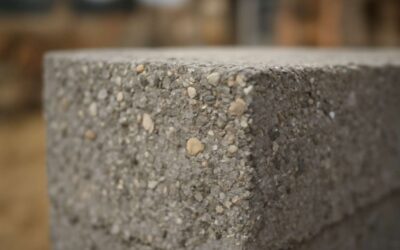
- Texture options: smooth, split-face, and timber-pressed patterns.
- Finishes that breathe: breathable sealers and limewash for longevity.
When planning installations, balance with other materials, consider glare and privacy, and select detailing that preserves the brick’s breathability and character. Cement bricks work well with timber, metal, and glass accents, and respond beautifully to thoughtful shading and water management to sustain long-term beauty.
Building codes and regulatory compliance
Applications for cement bricks demand two things: care for the builder and reverence for the codes that guard communities. In South Africa, these blocks must meet the National Building Regulations and municipal by-laws, with attention to moisture, ventilation, and durable detailing. Used thoughtfully, the material breathes, sheds heat, and ages with quiet dignity. Its sculpted mass can frame light and shade, while careful shading and water management preserve long-term beauty.
Building codes guide detailing and performance. The flow of air, water resistance, and structural coherence depend on compliant practices, verified by professionals.
- Align with National Building Regulations and local bylaws.
- Ensure proper mortar ratio, curing, and moisture control.
- Schedule inspections and secure certifications with licensed practitioners.
Installation, maintenance, and cost-effectiveness
Laying techniques and best practices
Walls that endure—and look good doing it—are born from thoughtful installation and deep respect for material behavior. “Buildings outlive fashion,” as a master builder likes to say, and cement bricks are the quiet witnesses. Proper substrate preparation, clean joints, and prudent curing govern long-term performance more than any flash finish.
Maintenance leans on observation and gentle care. Regular inspections for cracks, dampness, and efflorescence prevent small issues from becoming costly repairs. Gentle cleaning and timely repointing preserve aesthetics and structural integrity without harsh chemicals or invasive methods.
- Even bed thickness
- Consistent mortar joints
- Gentle non-abrasive cleaning
From a cost perspective, the calm mathematics of thermal mass and simple logistics often favors bricks over alternatives in South Africa. The best laying practices emphasize even bed thickness, consistent mortar joints, and proper drainage—principles that translate into lower lifecycle costs and steadier budgets.
Maintenance, durability, and common repairs
Installation is the first handshake with a building’s future. I watch the joints align, the bed courses stay true, and the substrate reveal its strength before the first coat of weather arrives. With cement bricks, careful placement yields walls that endure.
Maintenance keeps the story upright. I watch for cracks, damp, and salt bloom; I clean gently and repoint when joints show wear.
- Regular checks for movement or cracking
- Gentle cleaning to preserve finish
- Timely repointing to seal joints
Cost effectiveness comes from thermal mass, reliable services, and simple logistics. In South Africa, steady lifecycle costs and fewer surprises on the ledger often trump flashy alternatives.
Insulation, weatherproofing, and moisture management
Rural South Africa reveals resilience in brickwork. More than 60% of new village homes rely on cement bricks for lasting shelter, a testament to durability through drought and rain. Installation is the first handshake with a building’s future, where careful alignment and bed courses set the stage for decades of quiet strength.
- Insulation: cement bricks’ thermal mass moderates indoor temperatures, easing cooling in summer and warmth in winter.
- Weatherproofing: bonding and surface finish defend against wind-driven rain and sun glare.
- Moisture management: proper drainage and damp protection prevent dampness and salt bloom.
Maintenance keeps the narrative upright. Routine checks for cracks and damp, gentle cleaning, and timely repointing seal joints against time. Cost-effectiveness grows from the bricks’ thermal mass, reliable services, and simple logistics; in South Africa, predictable lifecycle costs often outshine flashy alternatives.
Life-cycle cost analysis and long-term savings
In drought-prone rural South Africa, well-installed cement bricks can cut cooling energy use by as much as 20%. Installation sets a home’s direction for decades, and crisp alignment and proper bed courses become the first handshake with the future, supporting even masonry and steady loads through drought and rain.
Maintenance keeps that promise intact. Regular checks for cracks or damp, gentle cleaning, and timely repointing seal joints against time. These bricks respond well to simple care, and surface finishes shed weather and wear when kept clean.
Life-cycle cost analysis points to long-term savings: the thermal mass of the bricks trims cooling and heating expenses, durability reduces replacement cycles, and straightforward logistics lower maintenance costs. Over time, the predictable lifecycle costs can outshine flashier alternatives.
Common pitfalls and troubleshooting
In drought-prone rural South Africa, well-installed cement bricks can trim cooling energy by as much as 20%—a punchy payoff that starts with a solid foundation and smart alignment.
Installation quality sets the rhythm for decades: walls that breathe evenly and joints that hold their line without drama. No selfies with crooked walls: the idea is walls that look confident even when the weather isn’t.
Maintenance keeps that promise intact. Regular checks for cracks or damp, gentle cleaning, and timely repointing seal joints against time. The mass and durability of cement bricks translate into steady performance and longer-term cost savings, even when the forecast is grim.
Common pitfalls and quick troubleshooting:
- Inadequate mortar compaction can create voids
- Inconsistent curing may lead to hairline cracks
- Moisture ingress due to flashing or drainage shortcomings
End-of-life options and recycling
In drought-prone rural South Africa, well-installed cement bricks can trim cooling energy by up to 20%—a savings that begins with precise installation and smart alignment.
Installation quality sets the rhythm for decades. When joints stay true and walls breathe, maintenance is minimal, and the mass of these bricks delivers predictable performance, reducing long-term costs even when weather turns grim. I’ve watched sturdy walls shrug off stress year after year.
At the end of life, these bricks offer options: components can be repurposed or reintegrated into new builds, and waste streams can feed local recycling initiatives.
- Reuse in new walls or garden structures
- Crushed for aggregate or road base
- Artistic or landscape applications


0 Comments