Cement bricks: material properties and manufacturing
Composition and manufacturing process
These bricks aren’t glamorous, but they’re stubbornly dependable—a staple of South African construction that ages like a well-seasoned braai. Cement bricks offer solid compressive strength, fire resistance, and steady thermal mass, shrugging off humidity and keeping interiors quieter.
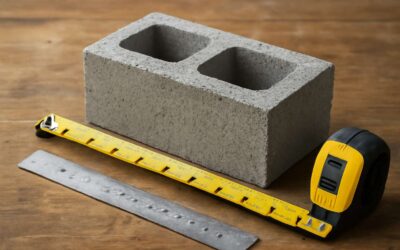
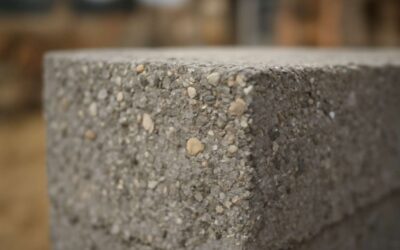
At their heart, cement bricks rely on a simple triad: cement binder, aggregates, and water. The composition can be tuned with admixtures such as fly ash, slag, or pozzolanic materials to improve workability and durability. This balance underpins cement bricks advantages and disadvantages.
- Portland cement binder
- Sand and gravel aggregates
- Water as mixing medium
- Admixtures such as fly ash or slag
Manufacturing involves thorough mixing, molding, and curing. Modern plants use mechanical mixers, vibration to densify the mix, and controlled curing to prevent premature drying, with water immersion or misting in hot months. Proper curing ensures consistent strength and long-term performance in SA climates.
Compressive strength and load performance
In South Africa, walls that endure heat, rain, and the occasional storm deserve their due. Cement bricks bring quiet reliability to homes and developments alike. They reveal cement bricks advantages and disadvantages in steady performance, not showy surface shine, which is exactly why they persist.
On the material front, cement bricks offer reliable compressive strength and steady load performance. Their dense matrix resists typical wall stresses, and their thermal mass helps damp temperature swings across South African days and nights.
- High compressive strength for load-bearing walls
- Fire resistance and low permeability
- Stable thermal mass for interior comfort
Manufacturing quality, paired with reliable curing, underpins long-term performance. These bricks aren’t glamorous, but they age with dignity—and I’ve watched them stand firm when flashier options falter.
Thermal insulation and energy efficiency
Into South Africa’s heat and rain, walls dream of endurance. Cement bricks deliver a quiet, granite-like resilience that outlasts fads—the cement bricks advantages and disadvantages revealed in steady daylight rather than glossy finish.
Materially, they carry a dense matrix that affords stable thermal mass, helping dampen daytime heat and chilly nights. Their low permeability resists moisture ingress, while curing quality shapes long-term performance. This is why energy efficiency often follows from thoughtful brickwork.
- Thermal mass moderates indoor temperatures
- Low permeability reduces drafts and damp risks
- Robust manufacturing quality sustains long-term performance
Yet their heavy frame demands skilled handling—and, yes, there is a cost to mobility and structural design! Still, for builders who prize durability over spectacle, cement bricks stand as a somber, dependable choice.
Moisture resistance and water absorption
Moisture resistance begins with material character and craftsmanship. In South Africa’s sun-drenched and rain-swept climate, cement bricks reveal their quiet resilience in how they touch damp rather than drink it. A dense, well-cured matrix shapes steady water handling, marrying strength with a restrained, almost elegant resistance to moisture.
Manufacturing choices—cement grade, aggregate quality, and curing protocols—determine how much water a brick will absorb. When done right, this yields consistent performance across seasons, reducing damp spots and efflorescence. The following factors are pivotal:
- Low permeability minimizes moisture ingress
- Controlled water absorption supports long-term stability
- Quality curing preserves dimensional integrity
All considered, cement bricks advantages and disadvantages hinge on moisture stewardship and enduring value, where design meets damp control and lasting South African walls endure.
Durability under weathering and chemicals
In the furnace of South Africa’s climate, cement bricks reveal quiet resilience. I’ve seen them endure the scorch of summer and the bite of cold fronts with a calm that borders on the magical. This section explores material properties and manufacturing—how a dense, well-cured matrix translates into durable performance against weathering and chemicals.
Durability is built into the brick at every stage:
- Dense microstructure minimizes moisture and chemical ingress
- Stable porosity resists salt efflorescence and freeze-thaw cycles
- Rigorous curing preserves dimensional integrity under sun and rain
Manufacturing choices—cement grade, aggregate quality, and curing protocols—shape how cement bricks endure chemical assault and stand up to heat, moisture, and time across SA landscapes.
These forces feed the broader conversation on cement bricks advantages and disadvantages, marrying strength with resilience and long-term value for South African walls.
Environmental impact and sustainability considerations
Cement production accounts for roughly 8% of global CO2 emissions, a sobering reminder that every brick carries a footprint. When we weigh cement bricks advantages and disadvantages, environmental impact and sustainability considerations become central to the equation—how material is made, sourced, and finished shapes its real value on South African sites!
Material choices offer pathways to lower impact without sacrificing performance. For SA builders, practical levers include:
- Incorporate supplementary cementitious materials such as fly ash or slag to reduce clinker content.
- Sourcing aggregates locally minimizes transport emissions and supports regional economies.
- Reuse water in the curing process and optimize energy use to limit waste heat and emissions.
These considerations align cement bricks with long-term value, resilience, and a lighter environmental footprint across South African walls.
Benefits of cement bricks in construction
Faster construction and handling
In a market where time is currency, cement bricks unlock faster construction on South African sites. As one veteran contractor notes, “Speed respects quality when the blocks are true and the edges true.” Cement bricks advantages and disadvantages subtly shape every decision you make.
Here are core benefits that cascade through the build:
- Uniform dimensions speed up laying and reduce on-site rework
- Easier handling and stacking calm the crew’s workflow
- Reduced mortar waste due to precise tolerances
For builders in SA, the practical rhythm matters: rapid assembly, cleaner finishes, fewer call-backs after rain. These are the tangible perks of cement bricks that speak to the heart of a sturdy, efficient home.
Uniform quality and dimensional stability
Time on a South African site is currency, and precision pays. A veteran contractor reminds us, “Speed respects quality when the blocks are true and the edges true.”
Uniform quality and dimensional stability shape every build, turning rough walls into forgiving canvases for plaster and finishes.
With consistent block sizes, expect fewer on-site adjustments, cleaner margins, and a calmer crew under pressure.
- Better predictability for openings and corridors
- Reduced waste due to consistent tolerances
In the broader debate about cement bricks advantages and disadvantages, these stability traits often tip the balance for SA projects.
Fire resistance and safety advantages
Every alarm clock in a burning building screams one truth: time is everything. “Fire respects true walls,” a veteran SA contractor quips, and cement bricks prove the point. In the realm of cement bricks advantages and disadvantages, fire resistance tilts the balance in favor of cement blocks, offering robust, non-combustible barriers when the heat is on, as if sentinels stood against the flames.
- Non-combustible and fire-resistant core that resists flame penetration.
- Slows heat transfer, buying valuable minutes for occupants and responders.
- Maintains structural integrity longer during a fire, reducing collapse risk.
Beyond flame, these blocks reduce smoke migration and give firefighters more time to act, delivering a crucial safety margin in SA’s diverse climates and urban builds.
Acoustic and thermal comfort benefits
Around SA’s sun-burnished townships and towers, the brick’s quiet strength speaks louder than ornament. An honest statistic from the field whispers: walls built with cement bricks can coax cooler days and hush the street’s chorus. The cement bricks advantages and disadvantages are often debated, yet their acoustic and thermal role remains persuasive.
In SA living spaces, the gains in acoustic and thermal comfort are palpable:
- Dense mass dampens exterior noise, creating calmer interiors.
- Thermal mass stabilizes temperatures, reducing reliance on air conditioning.
- Consistent density helps maintain comfortable humidity and reduces drafts.
The craft marvels at how these blocks turn heat into time—buying seconds for comfort and safety—without sacrificing aesthetics or resilience. In SA, cement bricks stand as guardians of enduring comfort and practical economy.
Aesthetic versatility and finishes
South Africa’s construction pulse reveals a surprising truth: cement bricks can transform spaces with a single render. In industry surveys, projects using cement bricks report finishing times shortened by up to 18%, freeing budgets for design rather than labour. The cement bricks advantages and disadvantages spark lively debate, yet their aesthetic versatility remains persuasive. These blocks carry a quiet charisma—clean lines, honest textures, and a modern-resolute profile suited to urban lofts and sun-washed suburbs.
Finishes ride easily over their uniform texture. From smooth plaster to lime wash, painted coats to rugged, hand-trowelled facades, the surface can morph to suit character and climate. The result is a cohesive look across interior and exterior facades, with cement bricks providing a stable canvas for colour narratives. The following finishes exemplify the versatility:
- Smooth plaster or render for contemporary restraint
- Lime wash or breathable paints for sunlit warmth
- Exposed or tactile textures for rustic character
Compatibility with structural systems and renovations
Across South Africa’s construction sites, cement bricks offer a steady rhythm to project timelines. The cement bricks advantages and disadvantages become evident when you weigh their performance against the needs of diverse structural systems and the inevitability of renovations. They provide reliable mass and a restrained, enduring presence that suits modern frames while inviting lucid reconfigurations as plans evolve.
They align smoothly with concrete and steel frames, and even timber-focused designs benefit when loads stay within sensible limits. Fixings bite cleanly, openings can be recut with care, and retrofits—such as upgrading insulation or rerouting services—are feasible without a total rebuild.
- Structural system synergy: compatible with concrete, steel, and sound timber layouts.
- Renovation-friendly reconfigurations: openings and services can be adjusted with minimal demolition.
- Attachment and finishing versatility: supports cladding and fixtures on a stable substrate.
This practical pliability makes cement bricks a sensible choice for urban infill and upgrades where budgets favour design-led decisions.
Limitations and drawbacks to consider
Initial cost and lifecycle cost comparison
In South Africa, the financial arithmetic is unavoidable: cement bricks advantages and disadvantages reveal themselves in the balance sheet long after construction is done. The initial cost can be higher than some alternatives, yet the lifecycle benefits—durability, low maintenance, and steady energy performance—often offset the premium.
- Upfront material, transport, and possible scheduling delays can lift early expenditures.
- Long-term savings hinge on proper curing, plastering, and maintenance practices that preserve integrity and energy efficiency.
- Local supply chain volatility in SA can affect price and availability, shaping lifecycle cost planning.
Viewed this way, the decision becomes a balance between sticker price and resilience, reliability of supply, and how the project cash flow rides inflation and freight fluctuations.
Environmental footprint of cement production
Every brick carries a carbon ledger. cement bricks advantages and disadvantages hinge on the environmental footprint of production. In South Africa, cement clinker manufacture uses substantial energy and emits CO2, with quarrying and transport adding to the tally. A tough reality!
- High embodied energy and CO2 from clinker production
- Quarrying, fuel use, and transport raise emissions and logistics risk
- Water use, dust, and local environmental disruption during manufacture and curing
- Price volatility tied to energy costs and supply chain disruptions
That footprint matters for life-cycle costs and community impact. The choice sits at the crossroads of durability, supply reliability, and regional energy realities.
Weight and foundation requirements
When weighing cement bricks advantages and disadvantages, weight and foundation loads are key considerations. Cement bricks are dense by design, and their mass means footings must support the extra load and slabs must resist settlement. In South Africa, soil variability and project budgets amplify these foundation challenges, making early geotechnical input essential.
Consider these weight-related requirements:
- Soil bearing capacity and site prep
- Slab thickness and footing design
- Reinforcement needs and sequencing
- On-site handling and access
On-site realities in South Africa—soil variability, access, and energy costs—shape outcomes. The brick mass calls for precise foundation work to avoid cracking and settlement over time. That is the quiet truth behind the weight and foundation equation.
Thermal mass performance in extreme climates
Across South Africa, thermal mass walls can temper relentless heat, slashing cooling needs by as much as 40% in peak seasons. cement bricks advantages and disadvantages unfold here, for the heavy block’s promise hinges on climate nuance. In extreme heat, cold snaps, or coastal humidity, the very heft that steadies indoors can also slow temperature relief and complicate drying cycles.
- Thermal lag may keep interiors stubbornly warm long after the sun drops, making cooling resources work harder during heatwaves.
- Moisture uptake and condensation risks rise in humid coastal zones, potentially affecting finishes and long-term durability.
- Construction design demands tighter tolerances and thoughtful ventilation, raising upfront planning needs and, in some cases, energy costs for climate control.
South Africa’s climate patchwork demands a measured approach that respects mass without surrendering comfort. The magic lies in harmonizing heat storage with fresh air and sensible detailing.
Cracking risk and movement management
Massive walls aren’t a guarantee against drama—cracks are cheaper to fix when caught early. cement bricks advantages and disadvantages come to a head in the real world: the heft brings stability, but movement and shrinkage bite back under South Africa’s temperature swings. That’s why cracking risk and movement management sit at the top of the agenda—proper curing, joint detailing, and careful workmanship from day one are non-negotiable.
- Shrinkage and thermal movement can trigger hairline cracks if curing and jointing are sloppy.
- Control joints plus appropriate reinforcement are essential; without them, movement becomes visible in finishes.
- Foundation settlement and soil movement can magnify cracks—good subgrade prep and detailing help, but they don’t eliminate risk.
In practice, the balance of detailing and expectations shapes the reality of cement bricks.
Maintenance needs and long-term upkeep
Limitations and drawbacks creep into the ledger of any build. Cement bricks are sturdy, but they’re not immortals—South Africa’s fierce sun and sudden downpours test them. Maintenance isn’t optional: regular cleaning, crack monitoring, and joint inspection become routine rituals to keep finishes sharp and moisture at bay. Ignore it and efflorescence, staining, or subtle movement can erode finish quality and long-term aesthetics. The romance of quick construction fades when the upkeep bill lands on the table.
In weighing cement bricks advantages and disadvantages, foresee the long commitment. A pragmatic reminder: upkeep is part of the contract, not a garnish for the original budget. Done right, maintenance supports the brickwork’s character and longevity; done poorly, it diminishes both curb appeal and performance!
Guidelines for selecting, installing, and maintaining cement bricks
Assess project needs and climate suitability
Across South Africa, a solid boundary is worth more than a facelift—cement bricks advantages and disadvantages shape every decision. In the hands of seasoned builders, these blocks endure like sentinels, weathering heat, wind, and time; their quiet resilience reads the mood of a project.
Assess project needs and climate suitability. This means weighing sun exposure, seasonal rainfall, and how the walls will meet wind and thermal expectations over decades.
Guidelines include:
- Supplier warranties and batch consistency shape long-term risk and quality expectations.
- Foundations and structural layouts influence how cement bricks read on the skyline.
- Weather patterns guide the pace of work and the final finish in SA climates.
In the end, the choice becomes a quiet pact with the climate, a decision that can whisper longevity or mutter compromise under the SA sun!
Choose grade, size, and finish options
Walls built from cement bricks are the quiet witnesses to climate and cost, enduring heat, wind, and time with unspoken aplomb. A veteran foreman once quipped that the best finish fades, but the brick’s memory does not. Cement bricks advantages and disadvantages shape every decision in SA’s capricious weather.
Guidelines for selecting, installing, and maintaining cement bricks center on three pragmatic considerations:
- Choose grade, size, and finish options with your project in mind, while respecting supplier warranties and batch consistency.
- Foundations and structural layouts influence how cement bricks read on the skyline.
- Weather patterns guide pace and final finish in SA climates.
Ultimately, the choice becomes a quiet pact with the climate, a decision that whispers longevity or mutters compromise under the SA sun.
Best practices for installation and curing
Across South Africa’s sun-scorched mornings and misty evenings, cement bricks stand as quiet witnesses to history. When weighing cement bricks advantages and disadvantages, you lean on guidelines that blend supplier consistency, foundation literacy, and climate rhythm into one practical arc.
Foundations and structural layouts set how brickwork reads on the skyline; select a grade and finish with awareness of batch variation and warranty terms. Best practices for installation and curing favor steady moisture, thoughtful joint detailing, and patience as heat and wind temper the process.
In SA, curing is not a race. Gentle, even moisture and shading from harsh sun help minimize cracking, with curing considerations woven into planning. The payoff is a durable, low-maintenance wall that breathes with the seasons.
Quality control, testing, and standards compliance
In SA, a wall that lasts isn’t luck—it’s a plan. I weigh cement bricks advantages and disadvantages against supplier reliability, foundation literacy, and the climate rhythm that dictates how a brick reads at dawn and dusk.
Guidelines for selecting, installing, and maintaining cement bricks center on quality control, testing, and standards compliance. I look for batch traceability, clear specs, and documented strength.
- Choose suppliers with batch traceability and consistent QC data
- Request third-party testing results and SA standards compliance
- Maintain a concise QC log for moisture, curing, and workmanship
Durability, predictable performance, and a warranty that stands up to SA weather prove quality control pays off in the long run.
Repair, retrofitting, and remediation options
Durability in South Africa’s climate isn’t a rumor—it’s the product of a plan. Cement bricks advantages and disadvantages echo across dawn-lit façades, guiding careful selection, installation, and long-term upkeep.
Repair, retrofitting, and remediation options unfold like chapters in a weathered manual: targeted crack repair, re-pointing with compatible mortar, and moisture management to curb damp. For added resilience, lightweight composites can support aging walls without overburdening the foundation.
Options include:
- Hairline crack assessment and resealing with compatible mortar
- Epoxy injections for structural stabilization
- Carbon-fibre or fiberglass wraps for added stiffness


0 Comments