Cement blocks vs bricks: understanding the basics
What are cement blocks?
Walls decide the heartbeat of a home, and in South Africa the choice between cement blocks or bricks which is better can shape energy, budget, and character.
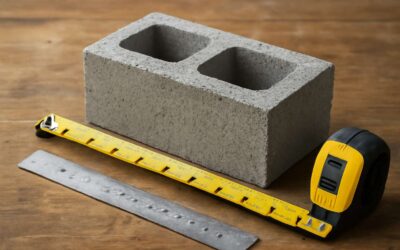
Cement blocks are large, hollow units of concrete that go up quickly and keep walls sturdy. Bricks are smaller, solid or hollow clay units that offer richer texture and dense thermal mass.
- Speed of construction
- Thermal performance
- Long-term maintenance
In my years on the line, I’ve learned the right choice depends on climate, load, and finish. A Karoo mason once told me, “Walls carry a home’s story as surely as its roof!”
What are bricks?
Walls carry a home’s story as surely as its roof, a truth a seasoned Karoo mason voiced long ago: “Walls carry a home’s story as surely as its roof!” In South Africa, the choice between cement blocks or bricks which is better shapes energy, budget, and character across towns and cities alike.
Bricks are smaller clay units, either solid or hollow, finished in earthy tones. They offer texture, sculptable edges, and a patina that ages gracefully. Cement blocks, by contrast, are large, hollow units of concrete that go up quickly and create a stiffer, more uniform surface.
Key contrasts at a glance:
- Texture and finish options that influence interior feel
- Thermal performance and moisture handling in varying SA climates
- Speed of construction and variation in labor costs
Ultimately, the question stays context-driven, where climate, expected loads, and the desired finish determine which material suits a project best.
Key material differences between cement blocks and bricks
The Karoo sun has a way of making walls whisper. A veteran mason once told me, “The house breathes through its seams.” In SA, the question of cement blocks or bricks which is better threads energy, budget, and character through every town and suburb.
Cement blocks rise in quick, uniform lines; bricks lend texture, warmth, and a patina that ages with charm. The basics stay steady: load paths, moisture behavior, and finish options. The choice, then, is climate and the feel you want at first touch and after years of weather.
Consider these subtle guards of choice:
- Water handling in coastal and flood-prone zones
- Potential for decorative plaster or paint textures
- Long-term maintenance and repair strategies in SA environments
Ultimately, the hybrid whispers of South Africa reveal that the right path depends on the scene—where climate meets craft and time leaves its signature.
Typical uses and suitability of blocks vs bricks
In South Africa, walls are more than shelter—they are time-stamped conversations with the weather. When weighing cement blocks or bricks which is better, climate and craft merge to tell the long story of a building’s future. Cement blocks rise with quick, uniform lines, while bricks offer texture, warmth, and a patina that ages with charm. The core rules stay the same—load paths, moisture behavior, and finish options—but the feel on touch and the way the wall ages can tilt the decision one way or another. The human impulse to choose is written in the grain.
Typical uses and suitability of blocks versus bricks reveal where each shines.
- Blocks excel in rapid construction and robust load paths for larger projects.
- Bricks offer texture, warmth, and plaster-ready surfaces for facades and interiors.
- Moisture management and maintenance responses vary with climate zones across SA.
Strength, durability, and performance
Compressive strength comparison between blocks and bricks
Wall strength is the quiet promise your home will endure the test of time. When considering cement blocks or bricks which is better, many builders weigh compressive strength, durability, and how the material behaves under load. In South Africa’s varied climates, performance matters most.
Compressive strength is not a single measure; it grows with density, mix design, curing, and workmanship. To capture the gist:
- Block quality and density influence load-bearing capacity and wall stability.
- Brick masonry, when well laid, can deliver high strength in slender, continuous courses.
- Curing, moisture, and reinforcement play a decisive role in long-term durability.
Across climates and codes, performance hinges on design details, not just material. Cement blocks typically deliver steady, predictable strength for larger walls; bricks often shine with high density and a lasting finish. Either path can meet SA standards when properly specified and cured.
Durability under weather, moisture, and load
South Africa’s weather mosaic tests every wall, turning a simple block into a sentinel against wind and rain. A strong shell can tilt the balance between a home that endures and one that sighs with time. “A wall is the quiet engine of a home,” says a South African architect. cement blocks or bricks which is better becomes a matter of performance under load.
- Weather resilience through tight joints and quality finish
- Moisture management that slows damp and salt creep
- Load paths that keep walls stable under wind and seismic forces
Both options can meet SA standards when specified for climate and properly cured, turning durability into a feature rather than a fear.
Thermal performance and insulation considerations
South Africa’s walls endure the wind like quiet sentinels! When the climate swings, a strong shell keeps energy bills in check and spirits high. So when weighing cement blocks or bricks which is better, the answer often comes down to sustained load performance and long-term wear.
Strength isn’t just heft; it’s how joints, curing, and detailing hold under wind, rain, and load. Thermal performance matters too: mass moderates temperature swings, while thoughtful moisture control and air sealing prevent damp and salt creep. The right balance turns masonry from material into shelter.
Key performance levers:
- Thermal mass optimization
- Insulation placement and density
- Moisture control and breathability
Viewed this way, walls aren’t barriers but engines of lasting comfort.
Lifespan and maintenance implications
South Africa’s walls endure the wind like sentinels, and a well-built shell whispers savings over time—a surprising margin, with maintenance visits dropping by up to a quarter over decades, when the masonry breathes and ages well.
When you ask cement blocks or bricks which is better, the answer lies in sustained load performance and long-term wear. I’ve learned it’s not merely heft; it’s how joints hold, how curing finishes, and how detailing forgives wind and rain. Thermal mass helps temper swings, while moisture control and air sealing keep damp and salt creep at bay.
Over decades, the choice shapes cracking, movement, and the frequency of repairs. Here’s what to watch:
- Crack resistance, joint durability, and resilience under wind and rain
- Repointing frequency, mortar compatibility, and long-term appearance
- Moisture management, drying cycles, and salt creep prevention
Let the right mix turn masonry from material into shelter!
Cost, value, and maintenance
Initial material cost comparison
Blood-thirsty stat: in SA, cement blocks often clock in 10–15% cheaper upfront than bricks, a price tag that grabs my attention faster than a peacock on a roast chicken. But cost is only the prologue—value and maintenance write the rest of the plot.
Consider these cost drivers in a quick snapshot:
- Initial material cost
- Installation speed and labour
- Long-term maintenance and repair needs
In practice, cement blocks or bricks which is better hinges on climate, design, and budget. Blocks tend to offer predictable upfront costs and potentially lower ongoing maintenance, while bricks deliver aesthetics and achievable longevity with proper care. It’s a balance, not a binary choice!
Long-term maintenance and repair costs
Cost is more than the sticker price. In South Africa, long-term maintenance and repair costs hinge on climate, finishes, and moisture control. cement blocks or bricks which is better shows up in how well the walls resist cracking, deter water ingress, and hold paint or plaster across decades.
Value here means fewer surprises and more predictable upkeep. Blocks may offer uniform repairs and faster resealing, while bricks reward you with classic aesthetics and proven longevity when properly cared for. It’s not magic—it’s the right match between design, exposure, and budget.
- Repair frequency and ease of patching
- Labor and access to skilled masons
- Coating, plaster, and sealant life-cycle costs
Labor and installation efficiency
Walls are long commitments, not quick purchases—the kind of decision that casts shadows across two or three decades. Across South Africa, climate bands from the Karoo’s arid temperament to the coast’s humidity tilt the maintenance ledger, making long-term costs hinge on moisture control and finish life. cement blocks or bricks which is better becomes clearer when you measure how each option resists hairline cracks, water ingress, and paint longevity over the decades.
Value here means fewer surprises and more predictable upkeep. Blocks may offer uniform repairs and faster resealing, while bricks reward you with classic aesthetics and proven longevity when properly cared for. It’s not magic—it’s the right match between design, exposure, and budget.
- Labor availability and access to skilled masons
- Handling, cutting, and laying speed
- Coating, plaster, and sealant life-cycle considerations
Labor and installation efficiency shape the project timeline as surely as weather shapes a facade. The balance between upfront effort and long-term performance speaks softly to durability, resilience, and the quiet poetry of a wall that endures.
Repairability and replacement options
Cost and value go hand in hand when choosing between cement blocks or bricks which is better. Upfront price matters, but long-term upkeep tells the real tale. In South Africa’s climate spectrum—from the Karoo’s arid bite to the coast’s humid whisper—moisture control and finish life swing the maintenance ledger over decades.
Repairability and replacement options steer the needle. Blocks lend themselves to uniform repairs and faster reseals, while bricks deliver classic aesthetics and deep longevity when cared for. Choose based on exposure, paint life, and how you plan to maintain the facade.
- Repair options: resealing, patching, and re-plastering as needed
- Replacement options: localized brick replacement or panel refresh
Value here means fewer surprises and more predictable upkeep. The right match stays durable under weather, moisture, and load, while offering sensible, long-range maintenance even in SA.
Aesthetics, design options, and applications
Finish options, textures, and appearance
Design transcends function; it is a quiet echo of place. In South Africa’s radiant light, bricks offer warmth while cement blocks bring calm, sculptural mass. When considering aesthetics, cement blocks or bricks which is better becomes a mood you cultivate—rugged versus refined. I’ve watched sun carve shadow lines across a façade; the effect is transformative.
Finish options and textures invite touch and memory.
- Exposed block texture for an industrial-chic statement
- Smooth plaster or cement render for a clean, modern look
- Natural limewash or pigment wash for warmth and depth
- Engineered coatings that enhance weather resistance while preserving character
Applications span contemporary homes, commercial spaces, and heritage rooms where light and shadow breathe. The appearance can be tempered with color, pattern, or subtle relief, shaping how a building speaks to its surroundings in South Africa’s cities and towns. Every choice tells a story of craft, climate, and memory!
Architectural styles suited to blocks vs bricks
Walls are the quiet chorus of a place; in South Africa’s radiant light they sing in two voices—cement blocks or bricks which is better becomes a mood you cultivate, rugged mass or refined texture.
Design options lean into architecture’s poetry rather than mere materials, focusing on rhythm, massing, and how light carves lines across a facade.
- Rhythmic massing that pairs block scale with slender openings
- Heritage-informed brickwork that respects period detail
- Contemporary minimalism emphasizing clean geometry
- Vernacular textures that celebrate locally sourced materials
Applications span contemporary homes, commercial spaces, and heritage rooms where light and shadow breathe. In South Africa’s cities and towns, this vocabulary speaks to place (cement blocks or bricks which is better); color, pattern, and subtle relief temper the appearance, shaping how a building is read by passersby and neighbors. I watch morning light sketch new stories across brick and block.
Color stability and appearance longevity
A facade is a memory etched in light, and color stability keeps pace with the sun’s drama. In South Africa’s radiant climate, texture becomes a living instrument that guides how a building matures. For many projects, cement blocks or bricks which is better becomes a mood you cultivate, carving rhythm and tone into walls that speak to place rather than mere material choice.
Design options translate aesthetics into skin and craft:
- Textured mortar joints that soften edges and age gracefully
- Warm mineral tones that resist fading in SA sun
- Interplays of light with subtle relief for depth
Applications span contemporary homes and heritage spaces, where color stability and appearance longevity shape how a building ages with light and weather. In South Africa’s cities and towns, the face of a wall writes memory through shade, tone, and a quiet, durable glow—proof that design can be both intimate and enduring.
Design flexibility across climates and projects
South African facades endure thousands of sun-hours each year, pushing texture and color to age with intention. When people ask cement blocks or bricks which is better, the answer isn’t universal—it hinges on how a wall meets light, weather, and place. It’s about character as much as material!
Design options translate aesthetics into skin and craft:
- Textured mortar joints that soften edges and age gracefully
- Warm mineral tones that resist fading in SA sun
- Interplays of light with subtle relief for depth
Applications span contemporary homes and heritage spaces across SA cities and towns, where color stability and appearance longevity shape how a building ages with light and weather. Design flexibility across climates and projects lets builders tailor texture, finish, and rhythm to inland heat, coastal humidity, or highveld extremes!
Common applications: walls, facades, fences, and more
South Africa basks in roughly 2,800 sunshine hours a year, turning every facade into a living canvas. When people ask cement blocks or bricks which is better, the answer is a lyric, not a verdict: it’s how light meets texture, weather, and place.
Aesthetics lean toward tactile surfaces and gentle color, where shadow and light choreograph the wall’s personality. Subtle relief and mineral tones can age with grace, giving a structure character that remains legible from across a busy street.
Common applications include:
- Walls and partitions
- Facade envelopes
- Fences and boundary walls
- Garden and feature walls
Across SA climates, design flexibility lets you tailor texture, rhythm, and scale to inland heat, coastal humidity, or highveld extremes.


0 Comments