Overview and core benefits in wall construction with cement bricks
What cement bricks are and how they are manufactured
Stability, texture, and quiet dignity define wall-building in South Africa’s changing climate. Cement bricks for wall offer a tactile certainty, shaping spaces that endure the summer heat and winter chill. A veteran builder’s maxim rings true: quality outlives fashion, and strength sustains safety.
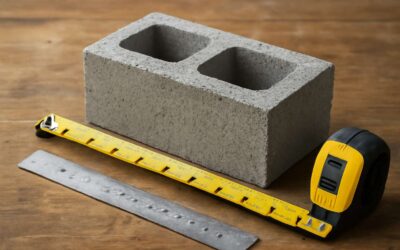
Cement bricks are masonry units formed from cement, sand, and water, pressed into molds and cured to maturity. Precise ratios, compaction, and controlled curing—often in plants—maximize consistency and reduce on-site waste. Their uniformity minimizes joints and speeds erection.
- Durability and load-bearing strength
- Thermal mass that moderates interior temperatures
- Enhanced sound insulation
- Fire resistance and long service life
From a design perspective, these blocks offer crisp lines, predictable behavior, and a canvas for finishes—from plaster to decorative textures. cement bricks for wall bring a rhythm to the city’s facades. In South Africa’s towns, the material marries heritage with modern resilience.
Key properties affecting wall performance
“Quality outlives fashion,” a veteran builder reminds us. In South Africa, cement bricks stand up to temperature swings and erratic rainfall, delivering a steady backbone for homes and public buildings. They bring predictability to design, with clear lines and dependable performance across seasons.
- Durability and reliable load-bearing capacity across years
- Thermal mass that moderates interior temperatures
- Enhanced sound insulation and fire resistance
From a design view, cement bricks for wall deliver crisp lines and a canvas for plaster or textures. Their uniformity reduces joints and speeds erection, a practical edge for developers and builders across SA towns, where heritage meets modern resilience.
Common sizes, formats, and finish options
A veteran builder’s line still rings true: “Quality outlives fashion.” Cement bricks for wall weather SA’s temperature swings and erratic rainfall, giving walls a steady backbone and crisp, plaster-ready lines that age with dignity.
From a design lens, their uniform surfaces create a calm canvas for textures, trimming joints and speeding erection. The result is predictable finishes and a professional look across SA towns where heritage meets resilience.
Common sizes, formats and finish options:
- Sizes: full bricks, half bricks, hollow variants with consistent profiles
- Formats: solid, hollow and interlocking bricks for different loads
- Finish options: smooth-face, textured, or plaster-ready surfaces
In essence, cement bricks for wall shape the silhouette and provide a forgiving surface that takes plaster, paint, and texture with ease.
Ideal use cases and project fit
From the veld to the city, walls face the weather with stubborn grace! In South Africa’s climate swings, cement bricks for wall stand as quiet sentinels, defying the gnaw of heat, cold, and rain. They offer a backbone that ages with dignity, a constant against fashion’s fickle glare.
These bricks present a calm canvas for textures and trims, with consistent profiles that keep joints tidy and plaster ready. The result is predictable finishes and a professional look across towns where heritage meets resilience.
Ideal use cases and project fit: For low- to mid-rise homes, perimeter walls, gardens, and heritage refurbishments where authenticity matters. They pair well with plaster finishes, stone cladding, or timber accents; they suit both new builds and renovations in coastal and inland SA towns. I watch these walls endure, time patient and unforgiving.
Material science and composition of cement bricks used in walls
Cement types, aggregates, and additives
In the realm of cement bricks for wall, material science is the quiet engine. The durable face of a building rests on how cement, aggregates, and additives cohere under load, humidity, and heat. In South Africa, OPC and PPC are common cement types, each with distinct setting curves that influence long-term performance. Well-graded aggregates deliver density and minimize crack propensity, while precise mixing controls shrinkage and porosity. Additives such as fly ash or slag refine microstructure and reduce heat of hydration, yielding steadier strength gain.
Material choices can be presented as a concise recipe:
- cement types: Ordinary Portland Cement (OPC), Portland Pozzolana Cement (PPC)
- aggregates: river sand, crushed stone, graded gravel
- additives: fly ash, slag, superplasticisers, air-entraining agents
Mix ratios and their impact on strength and durability
In sunlit South African build sites, material science is the quiet engine behind cement bricks for wall. The microstructure formed by cement, aggregates, and additives governs how walls bear loads and resist heat, giving longevity its backbone.
Mix ratios sketch strength and durability: the water-to-cement ratio, cement-to-aggregate balance, and the role of fly ash or slag. In SA, OPC and PPC provide different setting tunes that shape cure.
- Water-to-cement ratio tuned for workability and strength
- Aggregate gradation minimizes voids and shrinkage
- Controlled additives to tame heat of hydration
When the recipe is read with care, cement bricks for wall become a durable canvas for architecture, resisting cracks and shrinking with dignity. The balance—workability, density, and heat management—seals lasting walls.
Durability under various climates and moisture conditions
“The brick is a living archive of climate,” a veteran mason reminds us. In South Africa’s sun and rain, cement bricks for wall do quiet work of listening. The microstructure—cement, aggregates, and careful additives—guides how walls bear loads and shed heat, giving longevity its backbone. Each pore and interface controls moisture flow, tempering cracks and shrinkage. Read the recipe with care, and the wall becomes a durable canvas for architecture.
Across SA’s varied climates, the paste-aggregate bond and microstructure resist moisture swings and salt exposure. Additives modulate heat, while refined porosity slows ingress and reduces shrinkage. In this balance, these bricks endure damp summers, frosty nights, and sun-drenched days with quiet authority. This is why cement bricks for wall respond gracefully to rain and heat.
Color, texture, and surface finishes
A veteran mason whispers, “A wall remembers the sun and the rain,” and the material science behind cement bricks for wall keeps that memory alive. The microstructure—cement paste, aggregates, and carefully chosen additives—governs strength, breathability, and color, while pores and interfaces temper moisture and thermal swings across seasons.
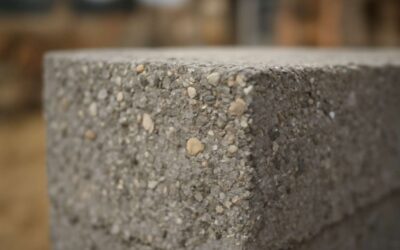
Color emerges from mineral blends and pigment dispersions; texture runs from soft luster to honest grit, and surface finishes tell a tactile story—glazed serenity, exposed-aggregate character, or a satin skin that caresses light.
- Exposed-aggregate, rough and timeless
- Hand-troweled satin finish
- Smooth plaster-like skin with subtle sheen
Across South Africa’s cities and coastlines, these choices translate into walls that age with grace and character, a testament to careful composition and the artful balance of form and function.
Sustainable materials and additives options
In the quiet math of a wall, the microstructure decides endurance: cement paste, aggregates, and discreet additives mingle to shape strength, breathability, and how color settles with the years. For cement bricks for wall, that internal grammar governs every crack and handshake with moisture. A veteran mason whispers that the material remembers the sun and rain, stored in pores and interfaces!
To honor that memory without a heavier footprint, we lean on sustainable materials and thoughtful additives. Substituting fly ash or slag for cement lowers embodied energy, while micro-fillers refine porosity. Silica fume or metakaolin strengthen the matrix; limestone powder eases clinker demand; recycled aggregates cut quarrying in urban South Africa.
Options to balance performance and stewardship:
- Fly ash and slag as partial cement substitutes
- Silica fume and metakaolin for pore refinement
- Limestone powder as filler to reduce clinker
- Recycled aggregates for lower embodied energy
In this balance, walls become more than shelter; they are memories forged with science and care, speaking to resilience in South Africa’s varied climate.
Construction performance: strength, insulation, and safety with cement bricks in walls
Structural strength, load-bearing capacity, and design considerations
Across South Africa, cement bricks for wall shape more than outlines; they shape experience. Construction performance rests on three pillars—strength, insulation, and safety—that converge into a wall system with presence and purpose. When walls resist the weather and interior demands, the space feels grounded, a quiet assurance born of durable craft.
- Load-bearing capacity that supports floors and roofs with minimal compromise
- Thermal and acoustic performance that stabilizes interior climate
- Design considerations that align with safety codes and long-term resilience
Each project benefits from a nuanced blend of material behavior and local climate, with cement bricks for wall standing as a testament to quiet, engineered reliability.
Thermal and acoustic insulation performance
“Walls carry stories,” says a veteran builder, and in South Africa that story is written in cement bricks for wall. They fuse strength, insulation, and safety into a single, enduring language—where the everyday space feels grounded, calm, and resilient, even as seasons shift and winds rise.
Thermal and acoustic performance come from the bricks’ mass. They moderate heat, reduce temperature swings, and dampen sound, delivering steady interior comfort without flashy finishes or added layers.
- Thermal mass moderates interior climate
- Mass dampens sound transmission
- Consistent comfort with fewer energy spikes
Safety follows from predictable behavior: fire resistance, moisture control, and robust detailing that age well. cement bricks for wall offer a quiet, lasting backbone for South African projects.
Fire resistance ratings and building codes
In South Africa’s climate, cement bricks for wall stand as steady guardians—strong, well-insulated, and safety-minded. Their construction performance translates into walls that bear load with quiet confidence, tame heat, and keep sound at bay. Fire resistance ratings and building codes set the tempo, ensuring every project meets predictable, durable standards rather than fleeting trends.
Key facets of construction performance include:
- Fire resistance ratings and code compliance with local standards
- Robust detailing that maintains integrity under moisture and time
- Load-bearing capability paired with steady thermal and acoustic behavior
Moisture management, dampness, and maintenance
In South Africa, cement bricks for wall stand as steadfast sentinels against sun and storm, their weight an ancient oath of reliability. The construction performance of these bricks unites fearless strength with quiet insulation and built-in safety, translating into walls that bear loads with calm authority, temper heat, and keep sound at bay. They do not chase trends; they anchor projects to predictable, durable standards.
Moisture management and dampness are woven into their story. The dense, yet breathably composed matrix guides humidity and resists the creeping damp that can haunt corners. Maintenance becomes a ritual of inspection rather than a scramble, as the walls endure with grace and reduce the chances of moisture-related degradation. For owners, cement bricks for wall embody a quiet faith in long-term performance.
- Moisture interaction and breathability within the wall system
- Thermal stability afforded by mass and design
- Long-term surface integrity and resilience against wear
Practical guide to using cement bricks in wall projects
Site preparation and foundation considerations
Foundations carry the weight of every wall. In South Africa, solid site preparation can cut cracking and movement dramatically. For cement bricks for wall, the story begins with the ground—before the first brick is laid!
Key steps include ensuring a stable bearing surface, proper drainage, and a clean, level base:
- Assess soil bearing capacity and moisture;
- Clear vegetation, compact the sub-base, and level the perimeter;
- Pour a footing with correct thickness and install a damp-proof course.
Foundation considerations extend to drainage planning, proper curing, and coordinating with wall height and load. When these factors are in place, it delivers consistent performance and long-term stability.
Laying patterns, mortar joints, and alignment
In South Africa, the first glance at a wall tells the story of the ground it stands on—and the numbers back it up. Across efficient projects, well-aligned cement bricks for wall reduce visible cracking by up to 30% when capture is treated as a design detail, not an afterthought.
Patterns and joints shape both look and performance. Laying patterns influence how shadows fall and how the wall handles load over time.
- Stretcher bond
- Header bond
- Running bond
Mortar joints tie the rhythm together; the finish communicates character while sealing the face of cement bricks for wall against dampness and weathering. A consistent alignment across courses preserves the wall’s integrity long after the builders have left the site.
Mixing, curing, and workflow efficiency
On South Africa’s building sites, mixing and curing are as critical as the bricks themselves! A well-timed curing regime can cut early-age cracking by up to 30%, turning cement bricks for wall projects into durable structures. Precision in water, aggregate, and mixing sequence keeps pour integrity intact.
- Batch only what can be used within the open time of the mix to avoid waste and inconsistent strength
- Synchronize delivery, mixing, and placement to prevent cold joints and delays
- Control curing conditions—keep moisture stable and minimize sudden temperature swings
- Document the workflow for traceability and quality assurance on site
Disciplined mixing, reliable curing, and a streamlined workflow translate into predictable wall performance across South Africa’s diverse climates.
Tools, safety practices, and handling
South Africa’s construction crews know that practical handling can make or break a wall. For cement bricks for wall projects, the rhythm of lifting, carrying, and placement determines crack resistance and alignment more than any single brick ever will. A disciplined on-site routine keeps joints neat and heights true, even as climates shift from Cape humidity to Highveld heat.
Tools and safety are non-negotiable on every shift. On-site handling hinges on good lifting technique, moisture control, and clear communication.
- Personal protective equipment: hard hat, safety glasses, gloves, and steel-toe boots
- Masonry toolkit: brick trowel, pointing tool, level, string line, masonry hammer, and rubber mallet
- Handling practices: two-person lift for heavy bricks, keep bricks dry and stacked, use pallets or cores to prevent crushing
With these in place, walls stay true to plan across SA’s varied weather.
Quality control, testing, and inspections
Walls speak through joints, and in South Africa a mere 2 mm misalignment can double crack risk as the seasons turn. For cement bricks for wall, quality control is not a chore but a quiet pact with durability.
Quality control, testing, and inspections hinge on consistent materials and disciplined observation. Beyond initial sight checks, standardized samples, batch traceability, and record-keeping tell the true story of a wall’s future.
- Visual integrity and dimensional checks
- Material batch documentation and traceability
- Non-destructive tests where appropriate
In SA’s climate ballet, rigorous QC lifts performance from plan to permanent. When inspections align with standards, cement bricks for wall withstand heat and the quiet pressure of time.
Sizing up costs, sourcing, and sustainability of cement bricks in wall construction
Cost considerations, lifecycle value, and budgeting
In South Africa’s evolving build scene, the wall is a financial narrative. A veteran foreman says, “Budget it once, build it right,” and cement bricks for wall stand as a quiet promise of decades under sun and weather.
Sizing up costs means mapping demand against supply and weighing lifecycle value against the initial outlay. These bricks deliver durability, but budgeting should account for transport, labor, and possible maintenance over time.
- Material and freight volatility
- Labor quality and curing impact
Sourcing and sustainability enter the equation through local suppliers, recycled aggregates, and energy-conscious manufacture. Cement bricks for wall sourced nearby cut transport emissions and support SA trades, while a sustainable choice often boosts lifecycle value and reduces future maintenance.
Budgeting around long-term performance rather than short-term outlay helps projects weather price cycles and climate shifts with poise.
Where to buy and how to compare brands
Across South Africa’s build scenes, transport and material volatility can tilt budgets by as much as 12-15%, turning a smooth phase into a logistical tale. Sizing up costs means mapping demand against supply and weighing lifecycle value against initial outlay. Cement bricks for wall offer durable service, but the journey from quarry to site deserves budget savvy—plan for transport, skilled labor, and potential maintenance over time.
When sourcing and sustainability enter the equation, local suppliers and recycled aggregates become a quiet ally. Cement bricks for wall sourced nearby cut transport emissions and support SA trades, while an energy-conscious manufacture ties into long-term lifecycle value and reduced upkeep. Where to buy and how to compare brands matters:
- Local masonry yards and regional distributors with reliable lead times
- Certification, batch consistency, warranty terms
- Clear performance data: strength, curing, finishes
Certifications, standards, warranties, and lead times
Across South Africa, transport and material volatility can tilt budgets by up to 15%, turning a smooth build into a logistical saga. Sizing up costs for cement bricks for wall means mapping demand against supply and weighing lifecycle value against the initial outlay. Cement bricks for wall offer durable service, but the quarry-to-site journey deserves budget savvy—plan for transport, skilled labor, and potential maintenance over time.
To keep things tidy, consider these essentials:
- Certifications and standards alignment, batch consistency, and warranty terms
- Lead times and delivery reliability to avoid site delays
- Clear performance data—strength, curing, finishes
Local masonry yards and regional distributors with reliable lead times are the backbone of smooth projects. Sourcing and sustainability go hand in hand: cement bricks for wall sourced nearby cut transport emissions and support SA trades, while an energy-conscious manufacture aligns with long-term lifecycle value and reduced upkeep.
Sustainable materials, recycling, and waste reduction
Budgets for cement bricks for wall aren’t carved in stone; they’re carved in transit and tender documentation. Across SA, transport and material volatility can tilt budgets by as much as 15%, so sizing up costs means mapping demand against supply and weighing lifecycle value against the initial outlay. The payoff? durable performance with smart logistics and a little foresight.
Sourcing matters. Local masonry yards and regional distributors with reliable lead times keep projects moving and emissions low. Sustainable choices come from nearby manufacture and a mindset to minimize waste.
- Source from nearby suppliers to cut transport miles and emissions.
- Facilitate recycling and reuse of concrete waste and formwork where practical.
Local availability, delivery logistics, and supplier support
Budgets for cement bricks for wall aren’t carved in stone; they’re shaped by transit and tender documents. Across South Africa, transport volatility can swing costs by up to 15%, so sizing up costs means weighing demand against supply and prioritising lifecycle value over the initial outlay. The payoff is durable performance with smart logistics and foresight.
Sourcing matters. Local yards and regional distributors with reliable lead times keep projects moving and emissions low. Local availability of cement bricks for wall from nearby yards cuts delays, while solid supplier support helps with batching, warranties, and timing.
- Local availability of cement bricks for wall from nearby yards
- Delivery windows and lead times that align with on-site schedules
Sustainability in practice means nearby manufacture and a mindset to minimise waste. Source from nearby suppliers to cut transport miles and emissions, and facilitate recycling and reuse of concrete waste and formwork where practical.


0 Comments