Cement bricks fundamentals for Cape Town builders
What are cement bricks and how they differ from traditional bricks
Cape Town’s light meets concrete with a rhythm that lasts; cement bricks cape town quietly form the backbone of modern masonry here, offering a uniform, dependable canvas for walls that endure the coastal breeze and bright sun!
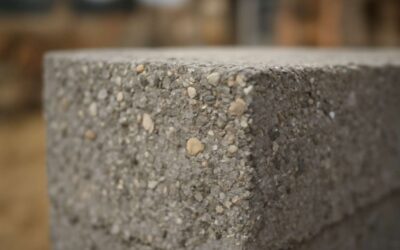
Concrete bricks are precast units formed from cement, aggregates, and water, cured in controlled conditions. They differ from traditional clay bricks in density, moisture handling, and dimensional stability. For builders, this means fewer on-site surprises and a cleaner, faster finish when paired with the right mortar.
- Uniform size and smooth finish
- Lower porosity reduces absorbed moisture
- Faster construction with consistent mortar beds
In Cape Town, choosing cement bricks cape town aligns with coastal climate and design elegance—walls that breathe just enough to age gracefully. The look reads like poetry in stone and steel, a quiet glamour for discerning projects!
Key properties and performance metrics
In Cape Town’s wind-kissed streets, cement bricks cape town stand as quiet sentinels against salt and glare. A simple truth anchors builders here: consistency is the backbone of durable masonry. “Steady walls, steady hearts,” a local craftsman often says, and the phrase rings true as the sun over the Atlantic.
Fundamentally, these bricks offer predictable performance for coastal builders: uniform size, smooth finish, and controlled porosity that helps moisture handling without sacrificing strength.
- Uniform size and smooth finish for consistent mortar beds
- Low porosity reduces moisture uptake and salt intrusion
- Good dimensional stability under Cape Town humidity
- Strong compressive strength suitable for walls and façades
In this city of light, we see these bricks become a living canvas—durable, aesthetically quiet, and ready to age with grace.
Common applications in construction
Cape Town basks in about 2,600 sunshine hours a year, and the wind and salt spray keep builders honest. Cement bricks cape town deliver predictable performance in that climate: uniform size that makes mortar beds sing, and tight porosity that staves off salt creep without thwarting breathability. They stay dimensionally stable under the peninsula’s humidity, resisting the usual warped surprises. For walls and façades that must weather sun and sea, these bricks offer a quiet, dependable backbone that ages with grace and character.
- Exterior façades and feature walls that age gracefully
- Interior partitions that handle humidity without warping
- Boundary walls and garden enclosures that resist coastal salt spray
In the long game, these bricks are a practical romance—functional, resilient, and quietly stylish under the South African sun. They invite honest construction and a future-proofed silhouette that Cape Town builders can rely on.
Durability and maintenance requirements in coastal climates
Cape Town’s sun and sea press a quiet demand on every wall. For cement bricks cape town, durability isn’t a flourish; it’s the baseline. In a coastal climate, these blocks prove resilient against salt spray and humidity, offering a calm consistency that builders trust when the wind hammers along the peninsula.
- Salt spray resilience and humidity tolerance are built into the brick’s porosity and composition.
- Breathability helps prevent damp interiors while maintaining structural stability in sea-adjacent environments.
- Low-maintenance aesthetics and lifecycle performance reduce ongoing upkeep costs for coastal projects.
Maintenance in this setting favors steady inspection over dramatic intervention, with attention to surface cleanliness, minor hair-line cracks, and joints that allow movement without letting moisture in. The payoff is architecture that ages with dignity, anchoring Cape Town’s coastal façades in a future-ready silhouette.
Environmental considerations and design options
In Cape Town’s wind-sculpted coastlines, every brick carries a weather forecast, and cement bricks cape town stand as the quiet guardians against salt spray. These blocks aren’t just building blocks; they are environmental statements, balancing weight, porosity, and resilience in a harsh coastal climate.
Porosity and moisture management are tuned to deter damp interiors while letting walls breathe. Salt spray resistance and humidity influence texture and finish choices.
- Local sourcing of aggregates to cut transport emissions
- Low-embodied-energy cement blends or supplementary cementitious materials
- Finishes that enhance salt spray resistance without sealing in moisture
Design options invite texture, color, and form: flexi-size panels, staggered joints, or vertical channels to reduce maintenance and add wind-cheat aesthetics.
In this landscape, the built form ages with dignity, echoing Cape Town’s horizon.
Cape Town market dynamics for cement bricks
Local demand drivers in construction and housing
Cape Town’s construction pulse accelerates along urban renewal corridors and coastal pockets where land prices push projects toward compact, efficient footprints. A market observer notes, “fast, reliable blocks change the tempo of Cape Town construction”—and rising demand for cement bricks cape town is changing where builders choose their materials. Developers seek blocks that fit tight sites and endure seaside exposure, keeping schedules intact and budgets in check!
- Urban densification and infill projects favor modular, standard sizes
- Local manufacturing networks shorten lead times and cut transport costs
- Contractors value predictable performance and easy installation
- Financing trends push quicker, more efficient builds on mixed-use sites
These dynamics shape local demand in construction and housing today, creating a resilient market for durable, cost-effective blockwork across the region.
Leading manufacturers and distributors in the Western Cape
Cape Town’s construction pulse now runs on cement bricks cape town, turning coastal pockets and renewal corridors into a fast, precise operation. A market observer notes, “fast, reliable blocks change the tempo of Cape Town construction”—and that tempo keeps marching. Builders chase compact footprints that shrug off seaside exposure without drama.
Leading manufacturers and distributors in the Western Cape keep the rhythm with regional plants and tight logistics. Proximity to ports and rail switches trims transport costs, while standardized modular sizes fit busy sites demanding predictability.
- Localized production hubs shorten lead times and transport costs
- Standardized module sizes accelerate on-site installation
- Coastal-grade blends resist salt spray and corrosion
Contractors prize consistent performance and easy installation, smoothing schedules on mixed-use schemes along the Atlantic Seaboard. Cement bricks cape town anchor projects with familiar reliability, even as financing trends push faster, more efficient builds on coastal sites.
With this local network sharpening, the Western Cape cement bricks supply chain stands as a resilient backbone for urban densification and coastal resilience.
Delivery and logistics across Cape Town metropolitan areas
A market observer notes, “fast, reliable blocks change the tempo of Cape Town construction”—and that tempo keeps marching. I’ve watched dawn deliveries thread the city’s edges, and the rhythm never falters. Cape Town’s growth pulses through every corridor from the Atlantic Seaboard to the southern suburbs, with delivery and logistics as the quiet engine behind it.
Across the metropolitan area, regional plants and strategic depots trim lead times and fuel costs. Proximity to ports and rail corridors shapes when orders arrive—crucial for tight schedules on mixed-use schemes.
- Regional depots shorten last-mile journeys
- Rail-linked distribution supports bulk orders
- Coordinated scheduling reduces hold times on site
These dynamics keep cement bricks cape town with steady momentum.
On coastal sites, consistency, quick turnarounds, and shipping efficiency matter more than ever. That reliability keeps projects on track.
Pricing trends and budget planning for builders
August light spills along the Atlantic Seaboard as the cement bricks cape town market stirs, a quiet chorus where demand meets supply. I feel the morning tempo rise, schedules tightening as coastal winds push projects toward sunset. Cape Town’s growth hums along every corridor.
Pricing trends shape budgets as surely as tides shape shorelines: material costs, freight, and seasonality tilt quotes. Builders plan with contingencies, seek bulk purchases, and weigh on-site storage. The rhythm steadies the line between ambition and feasibility.
- Material cost volatility and supplier rebates
- Freight rates and port congestion
- Demand cycles from housing and commercial projects
In Cape Town, pricing clarity becomes a shared language between supplier and builder.
Regulatory standards and building codes impacting cement brick use
Cape Town’s building permits climbed 8% last year, signaling momentum for cement bricks cape town. Regulatory standards and building codes shape every brick’s journey—from design to delivery—ensuring safety against coastal winds. In practice, this means suppliers and builders align on SANS specifications and local permit processes before a single bag of cement is mixed.
- National Building Regulations and SANS standards control masonry strength, plaster thickness, and moisture barriers for coastal sites.
- Product certification (SABS/SANS marks) ensures these bricks meet performance criteria before they enter the market.
- City of Cape Town inspections and approvals govern on-site execution, weatherproofing, and damp-proofing requirements.
These standards translate into practical checks on-site, from plastering tolerances to wind-driven damp-proofing, ensuring Cape Town projects stand up to the region’s temperamental climate.
Choosing cement bricks for projects in Cape Town
Assessing structural needs and brick strength grades
Coastal winds and salt spray stamp every brick decision in Cape Town. A single, well-chosen choice can slash maintenance bills and keep facades looking sharp for years. ‘Build for the coast, not for the showroom,’ say industry veterans—cement bricks cape town durability under coastal conditions isn’t optional—it’s essential.
Choosing cement bricks cape town starts with assessing structural needs and brick strength grades. External walls demand more strength than interior partitions, and high wind or seismic considerations push grades upward. Match the brick strength grade to the design loads, wall thickness, and anticipated moisture exposure to avoid creep and cracking.
- Coastal exposure and salt spray
- Load-bearing requirements and wall thickness
- Moisture movement and plaster compatibility
Done right, the choice supports long-term performance across Cape Town’s diverse projects.
Thermal performance and energy efficiency implications
Cape Town’s climate is a storyteller; walls that breathe, store heat, and shed salt spray shape comfort more than paint color ever could. Choosing cement bricks cape town isn’t only about structural heft; it’s about thermal performance that moderates indoor temperature swings as the sea wind brushes the coastline and the sun climbs over Table Mountain. When mass meets design, cooling and heating demands feel less like battles and more like a gentle conversation with the house.
- Thermal mass contributes to stable interiors
- Plaster compatibility and insulation integration
- Salt spray resilience and moisture management
In Cape Town projects, the wall becomes a quiet partner in energy efficiency, shaping comfort and budget without shouting for attention.
Aesthetic options and color texture varieties
Cape Town’s light is a master painter, turning apricot at dawn into iron-gray at dusk; in construction terms, the material wears as much personality as the design. When you choose cement bricks cape town, you invite a palette that ages gracefully with sea spray and sun, giving walls quiet, confident presence!
Aesthetic options span a spectrum, and texture can be the signature. Consider these finishes for Cape Town light:
- Smooth modern
- Rustic sand-blasted
- Hand-tumbled edges
- Soft plaster-look
Color options lean warm and coastal: charcoal, dune, terracotta, ivory—paired with a restrained render to keep glare in check.
Weather resistance and coastal corrosion considerations
Cape Town’s sea breeze is a persistent test for any exterior wall. Salt-laden air and dramatic temperature swings can erode surface details, yet cement bricks cape town offer weather-resilient durability when specified for coastal exposure. The key is anticipating corrosion pathways before laying a single course.
Weather-resistance considerations include the material’s response to salt spray, humidity, and wind-driven moisture. The following points help keep cement bricks cape town performing across decades:
- Salt spray tolerance of brick body and mortar
- Low-porosity finishes and sealed renders to slow salt ingress
- Corrosion-resistant fixings and sound joint detailing to prevent leaks and capillary rise
Match the brick to the climate with care: coastal-grade mixes, ensure proper drainage, and preserve flexibility with joints. With the right approach, cement bricks cape town breathe resilience into façades, turning enduring exposure into quiet confidence!
Supply reliability and lead times in Cape Town
Cape Town construction timelines hinge on one quiet constant: supply reliability. When cement bricks cape town arrive as promised, projects breathe and budgets stay intact; when they lag, delays cascade through the schedule. For coastal sites and inner-city builds alike, choosing partners who can forecast demand and stock locally matters more than ever!
- Stock visibility from local mills and distributors
- Clear, dependable lead times and order windows
- Flexible deliveries aligned with site readiness
Plan buffers, confirm routes, and align procurement with the Western Cape’s delivery rhythm. This foresight turns potential hiccups into a predictable cadence, letting materials arrive when the foundations demand them and timelines stay intact.
Installation maintenance and durability in Cape Town climate
Best practices for laying cement bricks and joint setup
Cape Town’s wind isn’t shy about testing walls! It believes in drama, not discretion. A wall built with care can shrug off salt spray and sun, but only if you start at foundations and respect the climate when laying cement bricks cape town. It’s not about swagger but alignment, bond, and a dash of modesty from the masons.
Best practices for laying cement bricks cape town and joint setup hinge on letting the structure breathe with the weather. Keep a consistent bond pattern, avoid salt-diffusion-prone joints, and ensure curing is enough to prevent micro-cracks. The aim is a shell that handles expansion, contraction, and wind-driven rain without drama.
Maintenance in this coastal theatre means regular inspections for hairline cracking, timely repointing when the sea shows its hand, and finishes that resist moisture and salt. When joints are sized and sealed with thought, durability becomes routine—quiet, reliable, and very Cape Town.
Waterproofing and damp control strategies
Cape Town’s climate isn’t a backdrop; it’s a character with gusts and grit. The wind tests every seam and salt spray seems to enjoy a good curtain call. A veteran mason quips, ‘a wall is a patient thing; it outlasts the drama if you respect the weather.’
In cement bricks cape town, installation maintenance and durability in this climate hinge on letting the structure breathe with the weather. A balanced approach to porosity and sealing keeps mortar and joints honest, while waterproofing and damp-control strategies accommodate expansion, contraction, and wind-driven rain without drama.
Finish and surface treatments that resist moisture and salt help this coastal performance stay quietly reliable, a Cape Town staple rather than a soap opera.
Maintenance routines for longevity and appearance
Cape Town’s wind and salt are not mere backdrop; they’re a daily test for any brickwork. A veteran mason reminds me that ‘a wall is a patient thing’—it outlasts drama when weather is respected, turning resilience into quiet elegance.
For cement bricks cape town, longevity rides on breathability and balanced porosity, supported by seals that accommodate expansion and wind-driven rain without sealing the life out of the wall.
Maintenance routines for longevity and appearance should remain discreet, a steady chorus beside the tides:
- Periodic inspections of mortar joints and brick surfaces
- Coastal-friendly finishes that resist moisture and salt spray
- Cleaning and gentle drying to maintain colour and texture
Done well, these walls weather with grace, a durable aesthetic rather than a dramatic hiatus.
Impact of Cape Town climate on brickwork and mitigation
In Cape Town, installation is a quiet ritual rather than a dramatic act of stacking bricks. The sea breeze carries salt and spray that can creep into joints and fade colour. With cement bricks cape town, the process prizes breathable mortar and well-timed joint details—an art of balance that invites expansion with the weather rather than inviting cracks. A well-laid wall becomes a patient testimony to craft, weathering the tides with grace and endurance.
Mitigation begins at the outset.
- Joint design that accommodates movement from wind and temperature shifts
- Breathable, moisture-resistant finishes to resist coastal spray
- Efficient drainage and easy cleaning to prevent salt crust
With these choices, cement bricks cape town stand tall against the Cape’s temperate extremes. The result is walls that endure, recite their story in salt-stung air, and refuse to surrender to time!
Repair and retrofitting options for aging walls
In Cape Town’s salty air, walls must learn resilience. A veteran mason once said, “In this city, a wall is a living thing.” The story starts with cement bricks cape town proving their mettle against wind, spray, and sun, not by bravado but by patient balance between breathability and strength.
Maintenance and durability in this climate hinge on staying ahead of corrosion and moisture. For aging walls, repair and retrofitting options lean toward preserving joints and directing damp away without sealing in salt. Consider these high-level categories:
- Joint re-pointing and masonry restoration to address salt creep
- Breathable, moisture-resistant finishes that resist coastal spray
- Improved drainage and easy cleaning to prevent salt crust
Together, these choices help cement bricks cape town continue to tell their weathered story with grace.
Cost suppliers and sustainability in the Cape Town area
Cost breakdown materials labor and ancillary expenses
Supply chains in Cape Town shape every build, and the choice of cement bricks cape town reflects more than a price tag. I’ve watched projects hinge on a handful of trusted suppliers who balance quality with a greener footprint, proving walls can endure while communities breathe easier.
Cost breakdown hinges on materials, labour, and ancillary expenses, all tempered by local conditions. Here’s a snapshot of the core drivers:
- Materials: cement, aggregates, sand, admixtures
- Labour: masons, bricklayers, fixers
- Delivery and site handling: transport, offloading
- Site prep and waste management
Choosing local producers and optimizing haul distances can trim the footprint without sacrificing performance. In a city where weather and logistics bite hard, sustainability and value walk hand in hand.
Local suppliers and recommended brands in the region
In Cape Town, walls tell more than design — they map local hands and lighter footprints. When we source cement bricks cape town, we choose a path carved by nearby mills, trusted suppliers, and a greener promise.
Cost often hinges on materials, labour, and transport, but in this region, choosing local producers matters as much as price. Local supply chains reduce haul distances and support greener outcomes, keeping cement bricks cape town within reach while cutting emissions.
- PPC Cement (Cape Town depots)
- AfriSam (Western Cape operations)
- Sephaku Cement (local distribution)
- Cape Brick (regional brick and block supplier)
These local choices weave resilience into brickwork, balancing durability with a lighter footprint across the Western Cape. cement bricks cape town become more than material; they are a shared vow to caring for place and people.
Sustainable manufacturing practices and recycled content options
The shortest road to value for cement bricks cape town runs through local mills and nearby distributors. Cost, after all, is a trio—materials, labour and transport—and Cape Town’s near-sourcing reduces expensive hauls while supporting greener choices. By prioritising PPC Cement (Cape Town depots), AfriSam (Western Cape), Sephaku Cement, and Cape Brick, projects stay anchored in reliability as much as price.
On the sustainability front, manufacturing is trending toward lean energy use, water recycling, and waste minimisation. We see recycled content options becoming standard, not speculative add-ons:
- Fly ash and slag cement blends to lower embodied energy
- Recycled concrete aggregates in non-structural applications
- Industrial byproducts repurposed as supplementary cementitious materials
Warranty after-sales support and service quality
Smart sourcing trims the bill for cement bricks cape town. Local mills and nearby distributors keep transport lean and costs predictable in the Cape Town area—near-sourcing translates to shorter hauls and quicker turnarounds!
- Cost clarity with fixed quotes and transparent delivery fees
- Local stock and near-sourcing reduce delays and wastage
- Sustainability-forward mills with energy and water recycling
Warranty and after-sales support shape project confidence. Reputable Cape Town suppliers back cement bricks with clear warranties, responsive service teams, and reliable delivery windows across the metro.



0 Comments