Cement brick coverage per square metre SEO outline
Estimating brick requirements per square metre
In the world of brick and light, every square metre tells a story of precision. A well-planned wall can trim material waste by up to 15%, turning mere spaces into lasting statements. When you ask how many cement bricks per square metre, you’re measuring rhythm, cost, and longevity.
Estimates hinge on brick size and mortar. A common SA standard brick runs roughly 50 to 60 per square metre for a single leaf, with joints and waste adding to the total.
- Brick size in SA: common 190 mm x 90 mm x 90 mm
- Mortar joint thickness typically around 10 mm
- Wastage allowance often 5–10%
In South Africa’s sunlit streets, the count is more than math—it’s a sculptor’s line shaping space and memory. Bricks become a quiet epic, a testament to craft and aspiration.
Steps to calculate bricks per square metre
Across South Africa’s sunlit streets, a single square metre becomes a canvas of precision. The right plan trims material waste by up to 15%, turning what could be chaos into quiet confidence—brick by brick, with rhythm and restraint.
Here’s a high-level map for considering how many cement bricks per square metre—without spreadsheets taking over your soul:
- Note brick size and orientation; a common SA brick runs 190 mm x 90 mm x 90 mm.
- Account for mortar joints; a typical 10 mm thickness shifts the count.
- Reserve 5–10% for wastage to cover cuts and mishaps.
- Adjust for openings and leaf configuration; doors and windows alter the tally.
When pondering how many cement bricks per square metre, balance rhythm with longevity and cost at a glance.
Practical factors that affect bricks per square metre
In South Africa’s sun-warmed building sites, brickwork follows a quiet rhythm that can save or squander money. Material waste often sits around 10% when plans drift, turning careful planning into real savings. The question how many cement bricks per square metre is a moving target, shaped by brick size, joint width, and openings that interrupt a straight wall.
- Brick dimensions and layout influence the count
- Mortar thickness and grout lines affect tally
- Typical wastage ranges around 5–10%, varying with cuts
- Openings and leaf configurations alter the overall totals
Beyond the bullets, the concept remains flexible; a single project may redefine the target as walls curve, arches rise, or plastering plans change. The count is less a fixed ledger and more a compass for design intent, guiding decisions with nuance and restraint.
Tools, materials, and verification
Across South Africa’s sun-warmed building sites, a 10% waste swing can make or break budgets. The question how many cement bricks per square metre remains a living calculation—one that shifts with brick size, joint width, and openings that interrupt a straight wall. The rhythm of construction, tempered by the glare of midday sun, writes its own margins into every tally.
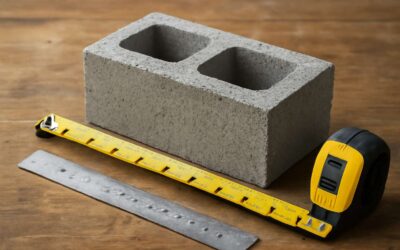
- Tools: tape measure, straightedge, level, chalk line, masonry trowel
- Materials: cement, sharp sand, water, bricks matching your chosen size
- Verification: confirm brick size, joint width, and waste allowances with plans and manufacturer specifications
Together, these details translate a number into confidence on the ground—without turning every wall into guesswork. A measured approach keeps plans aligned with plastering expectations and the quiet pragmatism builders rely on.


0 Comments