Understanding cement-based eco bricks
0 – What are cement-based eco bricks?
In a country where the horizon glows with red earth and bright skies, cement eco bricks offer a footprint that’s lighter and wiser. Industry figures suggest cement eco bricks can cut construction waste by up to 40% on SA projects, turning scraps into sturdy blocks and sparking a greener, more imaginative build ethos.
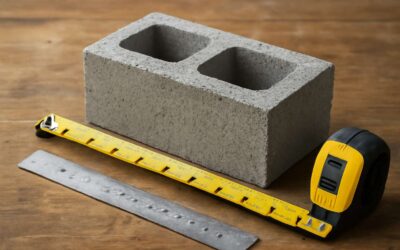
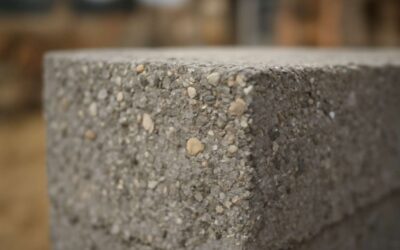
What are cement eco bricks? They are precast blocks crafted from cement and recycled aggregates, binding them to yield strength, texture, and character. In South Africa, these bricks marry durability with local materials, easing demand on virgin resources and enabling design flexibility.
- Lower embodied energy through recycled content
- Improved thermal mass for cooler interiors
- Weather-ready durability with low maintenance
Architects and developers appreciate cement eco bricks for expressive forms in urban and rural settings. Their versatility supports bold facades and quiet courtyards, aging gracefully under SA climates and adding sustainable wonder to any project.
1 – Key materials and mix designs
Across South Africa, a sober statistic lingers in the dust: cement eco bricks slash construction waste by up to 40% on ambitious projects. They are not mere blocks but relics of a more mindful craft, forged from cement and reclaimed fragments of the city. Understanding their materials is reading the bones of a building, listening to the dark rhythm of reuse.
Key materials set the tone. Three pillars anchor the mix:
- Recycled aggregates: crushed concrete, ceramic, brick
- Supplementary cementitious materials: fly ash, slag
- Admixtures and fiber reinforcement: plasticizers, crushed fibers for durability
Mix designs balance strength with texture, aiming for a dense mass that settles well in SA climates and ages with quiet dignity. The blend honors resourcefulness and form—a dark, durable poetry in brickwork—cement eco bricks enduring the weather with grace.
2 – How they compare to traditional bricks
Across South Africa, construction waste falls by up to 40% with cement eco bricks on ambitious projects. In the heart of local builds, they stand shoulder to shoulder with traditional bricks, yet carry a different weathered story. They borrow strength from recycled aggregates and thoughtful design, turning waste into walls that age with grace. The question isn’t whether they match a classic brick, but how their character shifts the way spaces breathe in heat, rain, and the quiet dawn light.
- Lower embodied energy through reclaimed materials
- Comparable strength when properly designed and cured
- Greater design flexibility with textures and finishes
Traditional bricks bring predictability and a storied supply chain, while eco bricks invite on-site adaptability. When a project leans into lighter panels, thinner mortars, or sharper textures, the eco option often proves a partner in resource management, from snag-free deliveries to less waste in the yard.
3 – Environmental advantages and circular economy benefits
In the crucible between waste and wonder, cement eco bricks carry a stubborn quiet about resilience. Across South Africa, construction waste can be reduced by up to 40% on ambitious projects when cement eco bricks take the wall. They tether waste to a circular economy, turning rubble into walls that cradle the dawn’s light.
Environmental advantages bloom through three steady pillars:
- Lower embodied energy via recycled aggregates
- Durable walls aging with minimal maintenance
- Design flexibility enabling varied textures and finishes
Because they lean on local, reclaimed materials, transport echoes fade and communities gain endurance on the rebuild.
Environmental benefits and sustainability
0 – Life-cycle assessment and carbon footprint
In South Africa’s fast-dwindling landfill space, every brick counts. Across the built environment, cement eco bricks are carving a path toward lower life-cycle emissions. A rigorous life-cycle assessment reveals how these bricks influence raw material sourcing, manufacturing energy, and end-of-life reuse. Even on a coal-dominated grid, thoughtful mix design and recycled inputs trim the carbon footprint while preserving durability.
LCA-focused strategies show where gains come from:
- Recycled aggregates and industrial byproducts used as inputs
- Lower clinker content and optimized cement blends
- Local or regional production to cut transport emissions
- End-of-life recyclability and reuse, reducing landfill waste
Viewed through this lens, cement eco bricks become more than material—they narrate resourcefulness and responsibility in South Africa’s construction story. When cradle-to-grave implications are weighed, these bricks offer a meaningful reduction in carbon footprint without sacrificing performance.
1 – Waste material utilization and resource efficiency
Waste fuels innovation—South Africa’s construction scene is turning discarded materials into durable blocks. cement eco bricks cut the demand for virgin inputs, curb disposal piles, and still stand up to the fiercest Cape wind. It’s the kind of practical rebellion that every auditor and bricklayer can cheer.
Key waste streams repurposed include:
- Recycled concrete aggregates from demolished structures
- Industrial byproducts such as fly ash, slag, and silica fume
- Locally sourced materials that cut transport energy and embodied emissions
This approach shrinks landfill pressure while preserving performance, making these bricks a quiet hero in South Africa’s circular economy.
2 – Durability, performance, and maintenance implications
Cape winds meet their match in cement eco bricks, a quiet rebellion in South Africa’s skyline. Waste concrete, fly ash, and other byproducts are transformed into durable blocks, slashing embodied energy and easing landfill burden. Locally sourced inputs shorten transport miles and bolster the circular economy, giving communities a tangible, Gothic-grade solution that marries responsibility with performance.
- Lower embodied energy through local materials
- Reduced transport distance and emissions
- Repurposed industrial byproducts locking waste out of landfills
Durability and maintenance follow a similar creed. The blocks deliver steady compressive strength, weathering Cape rains and coastal salt with minimal upkeep. Their stable dimensions resist cracking, and repairs stay straightforward, preserving aesthetic and structural integrity for decades.
Design considerations and practical applications
0 – Aesthetics and architectural compatibility
‘We shape our cities, and our materials shape us’—a line that lands hard when heat climbs and light tests color. In South Africa, design choices with cement eco bricks can turn waste into walls, warmth into savings, and durability into everyday value.
Design considerations include aesthetics, architectural compatibility, and how the material ages under sun and rain. Texture, color retention, and proportion must feel native to the building, while plaster systems and joint details stay practical. I’ve found that the right mix is as much about rhythm as strength, shaping space with quiet confidence.
- Plaster compatibility and finish options
- Thermal mass, moisture management, and ventilation
- Maintenance needs and repair strategies
Practical applications span gardens, courtyards, and interior partitions in busy SA spaces, where walls must endure heat, rain, and footfall. They adapt to both retrofit and new-build projects, offering a tangible way to honor local character without sacrificing performance.
1 – Structural performance and load considerations
Strength speaks softly, yet the load it bears is loud in a sun-sculpted city. In SA, cement eco bricks form the quiet backbone of walls, enduring heat, rain and the footfall of daily life. A sturdy shell begins with disciplined structural performance and load considerations.
Key factors shape how these walls stand up to time. Consider these, neatly arranged for design teams:
- Compressive strength and bond stability
- Joint detailing and plaster integration
- Reinforcement strategy and crack control
- Moisture management and drainage
- Thermal mass interaction and wind shear
Practical applications span retrofit projects and new builds across busy SA spaces, where walls must carry sun, rain, and foot traffic with ease. When the structural skeleton is sound, cement eco bricks age with quiet character, welcoming texture and rhythm without faltering!
2 – Color, texture, and finish options
Sun-streaked SA demands walls with staying power and color that breathes. ‘Color is the weather of a wall,’ a SA designer notes, and cement eco bricks answer with a palette that endures the braai-hour sun! Design teams feel tone and texture shape spaces as strength does.
Color, texture, and finish options translate into practical design choices for retrofit projects and new builds across SA towns. The surface can be a quiet canvas or a deliberate accent, catching light differently across morning and afternoon. Options include pigment-rich slurries, natural terrazzo hints, and subtle micro-sand textures that hide fingerprints and weathering, making the material adaptable to warm evenings and rainy days.
From retrofit to new-builds across SA towns, these surfaces offer a quiet canvas that ages with dignity, inviting texture and rhythm without shouting for attention.
3 – Project types and case studies
South Africa’s climate tests masonry the way a braai tests fire: tough, patient, and forgiving. “Walls should be quiet but confident,” a Cape Town designer notes, and cement eco bricks deliver that calm authority—sun resistance, weathering that ages gracefully, and a tactile finish that stays inviting decade after decade.
- Urban retrofit façades for mixed-use blocks
- New-build townhouses and compact homes
- Heritage restoration with modern performance
- Rural clinics and schools needing durability
Design considerations for project types and practical applications include scale, detailing, and edge conditions that celebrate texture while keeping maintenance minimal.
Across SA towns, case studies show a durable, low-maintenance system delivering airtightness and surfaces that age with dignity—catching light from dawn to dusk.
4 – Code compliance and permitting guidelines
Code compliance is the quiet engine behind elegant, enduring façades. In South Africa’s bustling construction scene, permit delays often trace back to misaligned detailing; industry observers note that when requirements are integrated at the design stage, timelines can shorten by up to 40%.
cement eco bricks align with local standards, simplifying compliance with thermal and moisture performance targets.
- Fire performance and masonry detailing that meet SANS 10400 requirements.
- Airtightness targets and sensible insulation strategies for both urban blocks and rural homes.
- Moisture management, damp-proofing, and edge detailing to protect finishes from weathering.
- Documentation, testing certificates, and supplier declarations required by municipal authorities.
When detailing is deliberate and well documented, the brick system delivers a calm, durable shell—low maintenance and visually honest, catching light from dawn to dusk!
Production methods, cost, and procurement
0 – Manufacturing processes and supply chain
In South Africa’s fast-growing green economy, cement eco bricks are turning waste into walls, a punchy emblem of circular construction. The production method blends locally sourced cement with recycled aggregates, poured into molds and cured under controlled conditions for durability and warmth.
Manufacturing processes lean on energy-efficient mixing, vibration compaction, and moisture-curing, cutting energy intensity versus traditional bricks. A typical mix leans on recycled fly ash, quarry dust, and crushed concrete while maintaining strength and weather resistance.
Costs hinge on material availability, energy tariffs, and plant throughput, but long-term savings accrue through reduced landfill fees and lighter foundations. For procurement, align with regional plants to minimize transport and secure consistent supply; negotiate bulk pricing and predictable lead times.
- Source materials locally to cut transport and emissions
- Verify standard sizes and regional building codes
- Request QA data and batch traceability from suppliers
- Plan on-site curing logistics and storage to protect quality
1 – Cost drivers and total cost of ownership
In South Africa’s burgeoning green economy, cement eco bricks prove that waste can be a wall! A growing body of data suggests up to 30% lower embodied energy when recycled aggregates replace virgin materials.
The production method blends locally sourced cement with recycled aggregates, poured into durable molds and moisture-curing for stable strength. The process emphasizes energy-efficient mixing and vibration compaction, delivering warmth and weather resistance while trimming energy intensity compared with traditional bricks.
- Energy tariffs and supply
- Transport and throughput
- QA and batch traceability
Procurement-wise, align with regional plants to minimize transport, secure consistent supply, and negotiate bulk pricing with predictable lead times. Long-term ownership benefits emerge through lower landfill fees and lighter foundations.
2 – Comparative pricing vs traditional bricks
South Africa’s green building boom is turning waste into wall space—cement eco bricks can slash embodied energy by up to 30% when recycled aggregates replace virgin materials, a win that shows up as lower operating costs on site. Smart production also keeps warmth and weather resistance without gutting the budget.
Production methods lean on locally sourced cement and recycled aggregates poured into durable molds, moisture-curing to build stable strength. Energy-efficient mixing, vibration compaction, and modular design keep energy use low while delivering consistent QA.
Procurement and pricing: Align with regional plants to minimize transport, lock in bulk pricing, and keep lead times predictable. Long-term ownership gains include lower landfill fees and lighter foundations.
- Energy tariffs and supply
- Transport and throughput
- QA and batch traceability
Compared with traditional bricks, cement eco bricks often offer favorable lifecycle economics thanks to savings on energy, waste handling, and foundation loading.
3 – Supplier evaluation and sourcing tips
Production methods for cement eco bricks go beyond technique; they embody a stance toward waste and durability. Using locally sourced cement and recycled aggregates poured into durable molds, they gain strength through moisture curing, while energy-efficient mixing and vibration compacting keep the on-site footprint small.
Cost considerations hinge on siting and scale. Align with regional plants to cut transport, lock in bulk pricing, and stabilize lead times, which lowers the project’s total cost of ownership for cement eco bricks.
Supplier evaluation and sourcing tips for cement eco bricks:
- Ensure material traceability and QA documentation.
- Choose suppliers with consistent regional capacity and reliability.
- Verify certifications and compliance with SA building standards.
4 – Quality control, testing, and warranties
“Waste is only a resource in the wrong place,” a sentiment that informs every batch of cement eco bricks here in SA. In my experience, production methods fuse locally sourced cement with recycled aggregates poured into durable molds, then moisture-curing builds strength while energy-efficient mixing keeps the on-site footprint small and clever!
Cost and procurement hinge on siting and scale. Work with regional plants to cut transport, secure bulk pricing, and stabilize lead times, which lowers total cost of ownership across projects.
- Compression and moisture testing on cured panels
- Dimensional tolerances and surface finish checks
- Warranty alignment with curing protocols and QA records
Quality control, testing, and warranties ensure performance over time. Documented QA, traceable batches, and certified materials reinforce reliability on site, delivering peace of mind to clients and contractors alike.
5 – Gaps, challenges, and future trends
Waste is only a resource in the wrong place, and in South Africa that belief reshapes every batch of cement eco bricks. Production leans on locally sourced cement and recycled aggregates poured into durable molds, with moisture-curing and energy-efficient mixing that keep the on-site footprint small—and something of the land’s patient rhythm in each panel.
- Inconsistent quality and supply of recycled aggregates
- Capital costs for plant upgrades and local permitting
- Transport logistics and lead times across remote regions
- Data gaps in QA and certification alignment
Gaps and challenges follow as suppliers chase larger orders and plants adapt to continuous demand.
Looking ahead, future trends will tilt toward smarter design and regional, scalable manufacturing. Modular plants, better data capture for QA, and lower-energy mixing will cut costs further and reduce waste, with cement eco bricks integrated into local circular economy programs, poised to become a familiar sight on SA projects, alongside durable, locally minded architecture.


0 Comments